 Greyfits
What Is Combed Cotton? A Complete Guide for Buyers
Combed cotton is valued for its softness, smooth texture, and durability. Learn how the combing process improves cotton fibres, how it compares with regular cotton, and why it’s commonly used in premium clothing.
Introduction
If you’ve ever shopped for premium T-shirts, polo shirts, or everyday essentials, you’ve probably come across the term combed cotton. Many clothing brands highlight it as a mark of superior quality, often alongside terms like ring-spun cotton or 100% cotton. But what does combed cotton actually mean, and does it make a real difference?
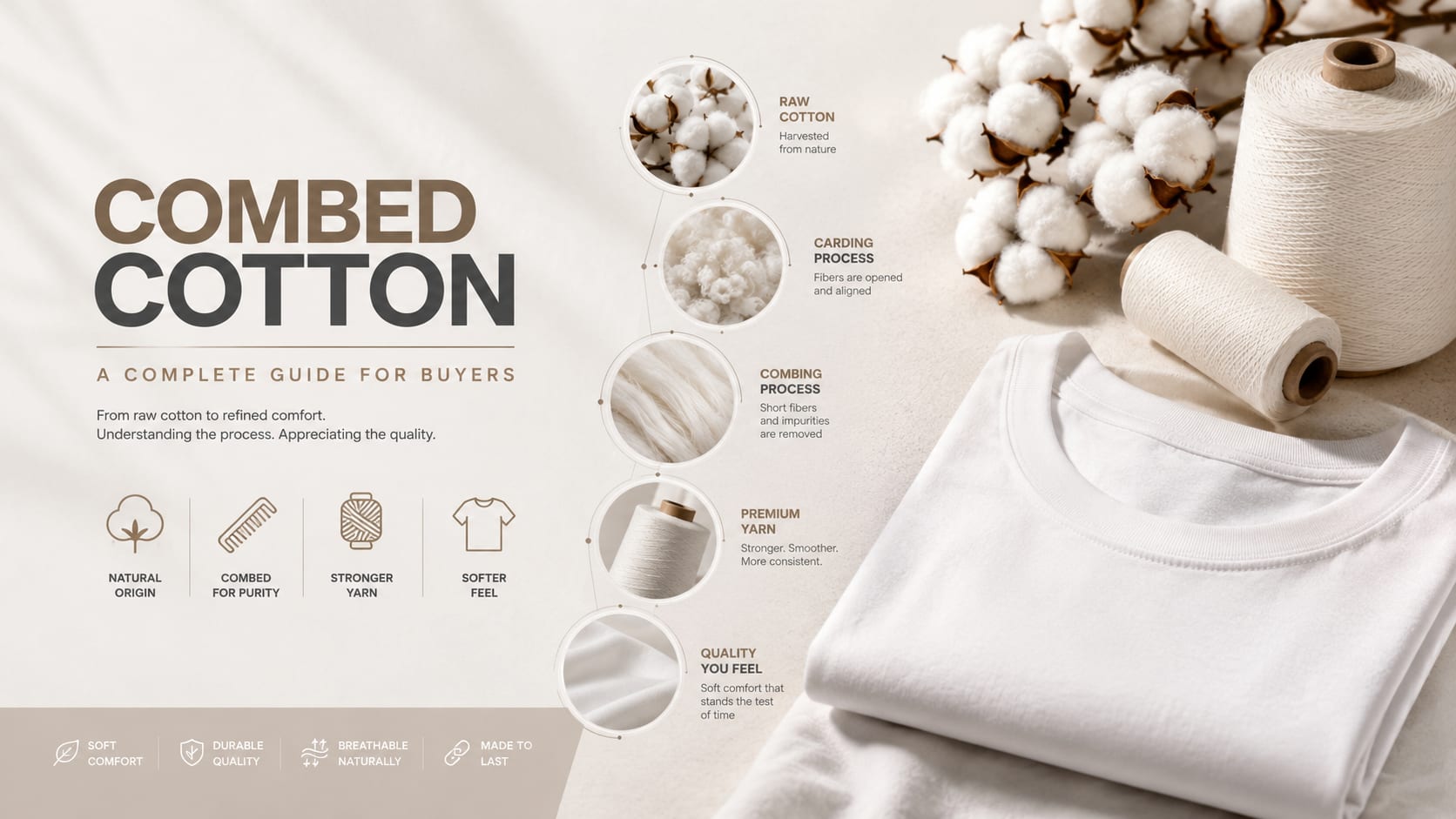
Combed cotton isn’t a different type of cotton plant. Instead, it’s cotton that has undergone an additional manufacturing step known as combing. During this process, shorter fibres and remaining impurities are removed, leaving behind longer, more uniform fibres that can be spun into smoother, stronger yarn.
The result is a fabric that typically feels softer against the skin, produces less lint, and offers a cleaner, more refined appearance than standard cotton. These qualities have made combed cotton a popular choice for premium clothing where comfort and durability matter.
In this guide, you’ll learn what combed cotton is, how it’s made, how it compares with regular cotton, its advantages and disadvantages, and how to identify combed cotton garments when shopping.
Key Takeaways
Combed cotton is cotton that has undergone an additional combing process before being spun into yarn.
Combing removes many shorter fibres and remaining impurities, leaving longer, stronger, and more uniform fibres.
Fabrics made from combed cotton are generally softer, smoother, and less prone to pilling than standard cotton fabrics.
Combed cotton is widely used in premium T-shirts, underwear, baby clothing, and other garments where comfort is important.
While combed cotton usually costs more than regular cotton, many buyers consider the improved comfort and durability worth the additional cost.
What Is Combed Cotton?
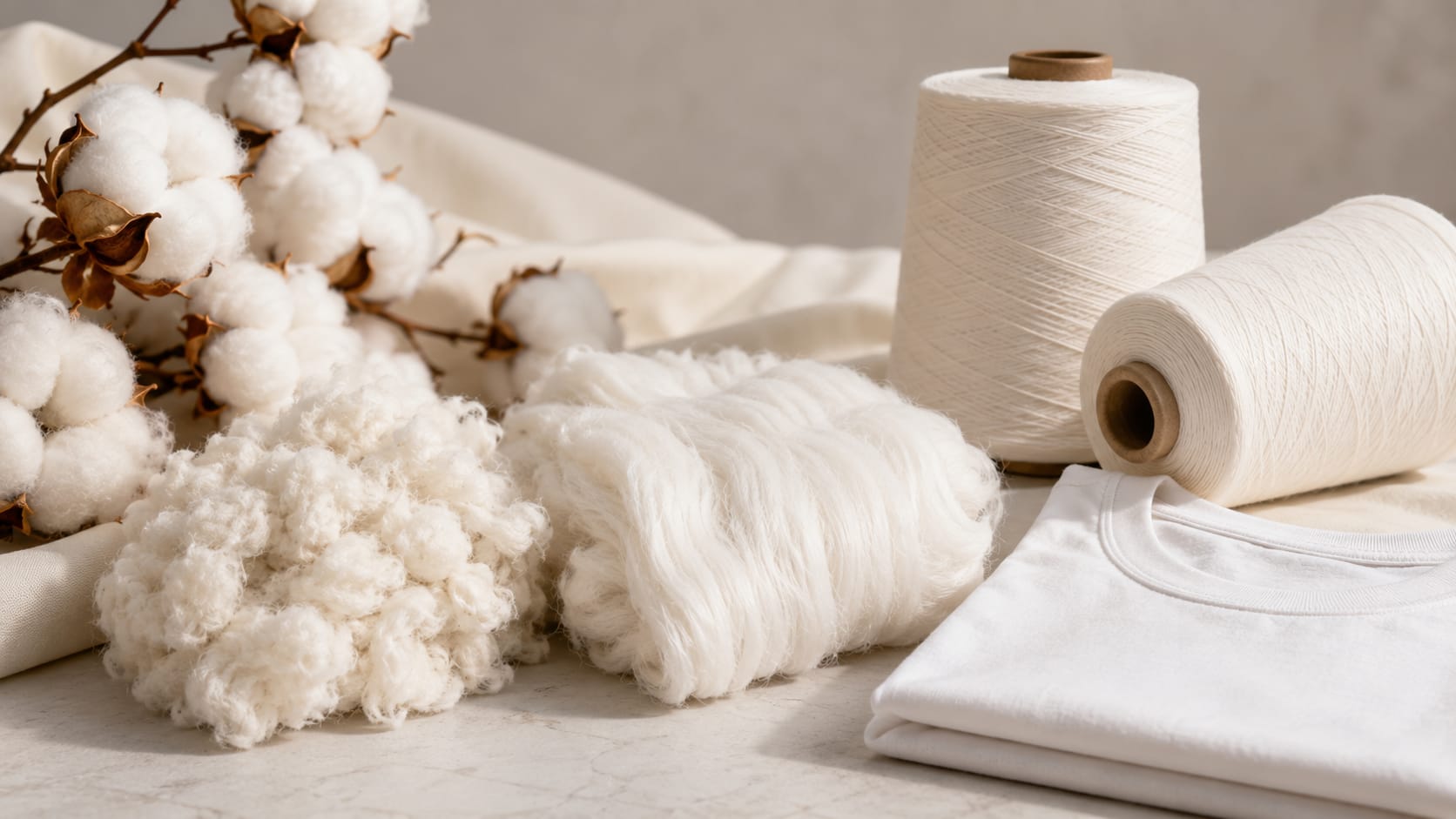
Combed cotton is cotton that has been processed using a specialised combing machine before it is spun into yarn. This additional step removes many of the shorter cotton fibres and remaining impurities, leaving behind longer, cleaner fibres that produce finer and more consistent yarn.
Unlike regular cotton, which may proceed directly from carding to spinning, combed cotton undergoes this extra refinement to improve the quality of the finished fabric. The longer fibres align more evenly, helping create textiles that feel softer, appear smoother, and perform better over time.
Because of these characteristics, combed cotton is commonly used in clothing designed for everyday comfort, particularly garments worn directly against the skin.
Why It’s Called “Combed”
The name comes from the combing process itself.
After the cotton fibres have been carded, they pass through fine combs that separate and straighten the fibres. These combs remove many of the shorter fibres, tangled strands, and remaining debris before the cotton is spun into yarn.
By leaving mostly longer, straighter fibres, the process creates yarn that is smoother and more uniform, contributing to the premium feel associated with combed cotton.
How Is Combed Cotton Made?
The quality of combed cotton comes from an additional manufacturing step that standard cotton does not always undergo. While both fabrics begin with harvested cotton fibres, combed cotton is further refined to improve the quality of the finished yarn.
This extra processing removes many of the shorter fibres and remaining impurities, helping manufacturers produce fabrics that are softer, smoother, and more durable.
Preparing the Cotton Fibres
Before combing begins, harvested cotton is cleaned to remove seeds, dirt, and other natural impurities. The fibres are then carded, a process that separates, untangles, and roughly aligns them into a continuous web or sliver.
Carding prepares the fibres for the next stage but does not remove all short fibres or imperfections.
The Combing Process
After carding, the cotton passes through a combing machine fitted with fine metal combs.
These combs carefully remove many of the shorter fibres, called noils, along with any remaining impurities and tangled strands. What remains are longer, straighter, and more uniform fibres that are better suited for producing high-quality yarn.
Although this process results in some fibre waste, it significantly improves the consistency and quality of the cotton used in the finished fabric.
How Combing Improves Cotton
Removing shorter fibres has several benefits.
Longer fibres can be spun into smoother yarn with fewer loose ends, giving the finished fabric a softer feel and a cleaner appearance. The improved fibre alignment also helps create stronger yarn that is less likely to develop excessive fuzz or pilling during normal use.
These improvements are one reason combed cotton is often chosen for garments where comfort and durability are important.
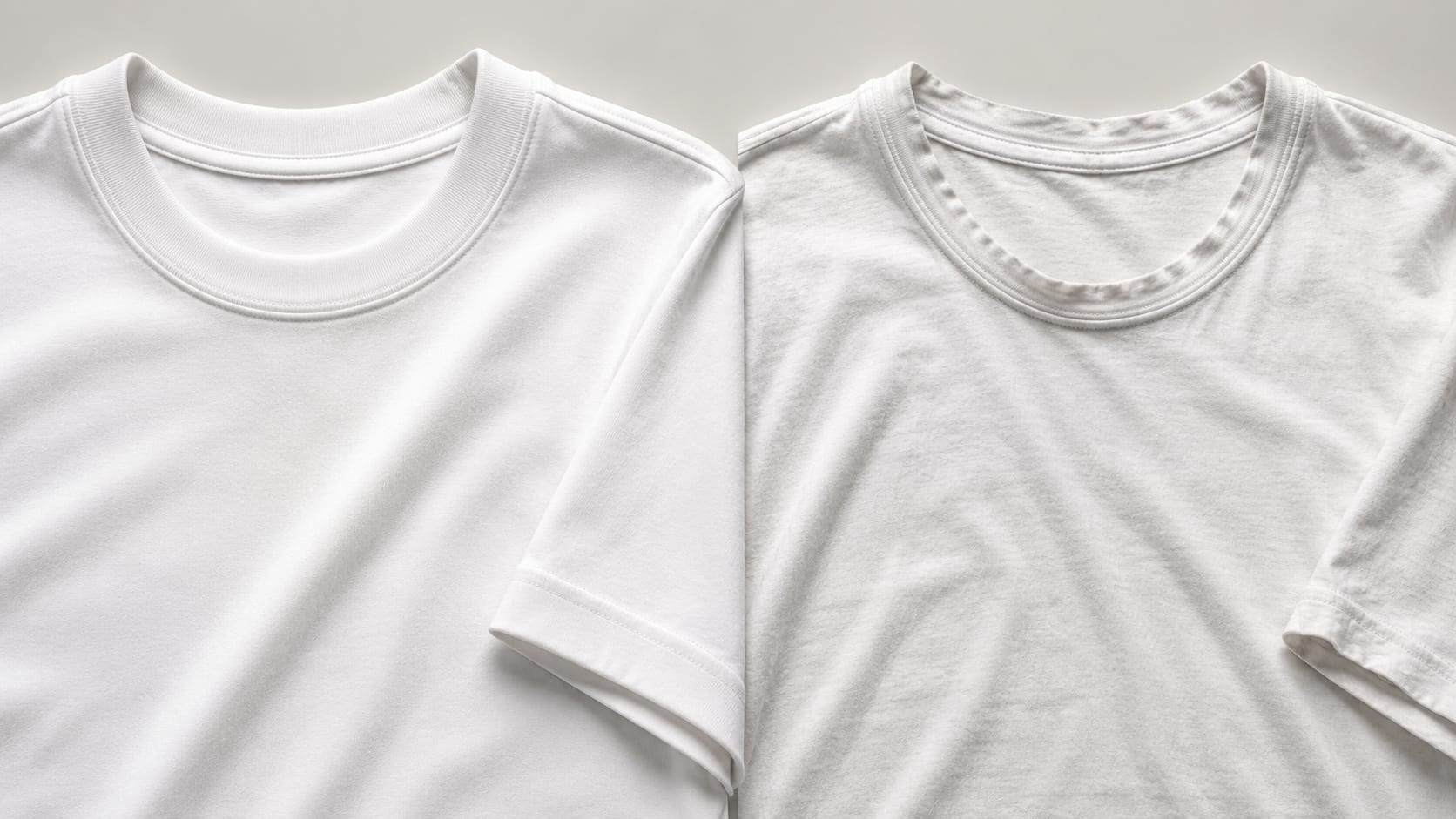
Combed Cotton vs Regular Cotton
Both combed cotton and regular cotton originate from the same natural fibre. The difference lies in the additional combing process, which refines the fibres before they are spun into yarn.
As a result, the two fabrics can differ noticeably in texture, appearance, and performance.
Softness
Combed cotton is generally softer because many of the shorter, rougher fibres have been removed.
The remaining long fibres produce smoother yarn, giving the finished fabric a softer feel that many people notice immediately.
Regular cotton can still be comfortable, but it may feel slightly coarser depending on the fibre quality and manufacturing process.
Strength and Durability
Longer fibres create stronger yarn.
This helps combed cotton fabrics better withstand repeated washing and everyday wear while maintaining their appearance over time.
However, durability also depends on factors such as fabric weight, garment construction, and overall manufacturing quality.
Appearance
Combed cotton usually has a smoother and more refined surface than regular cotton.
Because there are fewer loose fibres, garments often look cleaner and feel more premium. This smoother finish also makes combed cotton popular for high-quality apparel.
Comfort
The softer texture of combed cotton makes it particularly suitable for clothing worn directly against the skin.
Many people find combed cotton T-shirts, underwear, and sleepwear more comfortable than garments made from standard cotton.
Cost
The additional combing process increases production costs.
Manufacturers invest more time and resources to remove shorter fibres, which often results in a higher retail price for combed cotton garments.
For many buyers, however, the improved comfort and quality justify the additional cost.
Which One Is Better?
Neither fabric is universally better for every application.
If affordability is the priority, regular cotton may be a practical choice.
If softness, durability, and a more refined finish are important, combed cotton is often the preferred option.
Benefits of Combed Cotton
The additional combing process gives combed cotton several advantages over standard cotton. While no fabric is perfect for every application, these qualities have made combed cotton a popular choice for premium clothing and everyday essentials.
Softer Texture
One of the most noticeable benefits of combed cotton is its softness.
Removing many of the shorter fibres creates smoother yarn, which results in fabric that feels gentle against the skin. This makes combed cotton especially suitable for garments worn for extended periods, such as T-shirts, underwear, and sleepwear.
Greater Strength
Longer, more uniform fibres produce stronger yarn that is better able to withstand regular wear.
Although garment durability also depends on stitching, fabric weight, and construction, combed cotton generally provides a stronger foundation than standard cotton.
Reduced Pilling
Pilling occurs when loose fibres work their way to the surface of a fabric and form small balls.
Because combed cotton contains fewer short fibres, it is generally less prone to excessive pilling than regular cotton. While pilling can still occur over time, the smoother yarn helps maintain a cleaner appearance.
Improved Comfort
The combination of softer fibres and a smoother fabric surface enhances overall comfort.
This is one reason combed cotton is frequently chosen for garments that come into direct contact with the skin, including premium basics and children’s clothing.
Longer Lifespan
When properly cared for, combed cotton garments can retain their softness and appearance through repeated washing and everyday use.
Although longevity depends on overall garment quality, the improved fibre consistency helps many combed cotton fabrics maintain their performance over time.
Disadvantages of Combed Cotton
Despite its many advantages, combed cotton also has a few limitations that buyers should understand before making a purchase.
Higher Manufacturing Cost
The combing process adds an extra stage to cotton production.
This requires additional machinery, time, and labour, increasing manufacturing costs compared with standard cotton production.
As a result, combed cotton garments often have a higher retail price.
Higher Retail Price
Because producing combed cotton is more expensive, consumers usually pay more for garments made from it.
For shoppers seeking the lowest possible price, regular cotton may offer better value. However, those prioritising comfort and quality may find the additional cost worthwhile.
Not Every Garment Requires Combed Cotton
Not every item of clothing benefits equally from combed cotton.
For example, garments designed primarily for heavy-duty work, temporary promotional use, or situations where softness is less important may not justify the additional production cost.
Choosing the right fabric should always depend on the garment’s intended purpose rather than marketing claims alone.
Common Uses of Combed Cotton
Combed cotton is used in a wide variety of garments where softness, comfort, and durability are valued.
T-Shirts
Premium T-shirts are among the most common applications for combed cotton.
The smoother yarn creates a comfortable fabric with a refined appearance, making it ideal for everyday wear.
Underwear
Because underwear is worn directly against the skin, softness is particularly important.
Many manufacturers choose combed cotton to improve comfort while maintaining breathability and durability.
Baby Clothing
Baby clothing often uses combed cotton because of its gentle texture.
The smoother fibres help create fabrics that feel soft against delicate skin while remaining durable enough for frequent washing.
Premium Casual Wear
Combed cotton is also widely used in polo shirts, long-sleeve tops, lightweight sweatshirts, and other casual garments where comfort and appearance are key considerations.
Its refined finish makes it well suited to clothing designed for everyday use.
Is Combed Cotton Worth It?
For many people, the answer is yes.
If you value softness, comfort, and a cleaner-looking fabric, combed cotton is often worth the additional cost. The extra manufacturing step improves fibre quality, resulting in garments that generally feel more refined than those made from standard cotton.
However, it’s important to remember that combed cotton alone doesn’t guarantee a premium garment.
The overall quality of clothing also depends on factors such as:
The type of cotton fibres used.
Whether the yarn is ring-spun.
Fabric weight (GSM).
Fabric construction.
Stitching quality.
Finishing processes.
When these factors are combined with combed cotton, the result is often a garment that offers excellent comfort, durability, and long-term value.
How to Identify Combed Cotton Clothing
When shopping for clothing, identifying combed cotton is usually straightforward if you know what to look for.
Check the Product Label
Many manufacturers clearly state “combed cotton” or “100% combed cotton” on garment labels or product pages.
If the information isn’t provided, it’s difficult to determine whether the fabric has been combed based on appearance alone.
Feel the Fabric
Combed cotton often feels smoother and softer than standard cotton.
While touch isn’t a definitive test, a noticeably refined texture can be an indication that the fabric has undergone additional processing.
Review the Brand’s Specifications
Brands that focus on quality frequently provide detailed information about their fabrics.
Look for specifications such as:
Fibre composition
Ring-spun cotton
Combed cotton
Fabric weight (GSM)
Garment construction
The more information a brand provides, the easier it is to evaluate the quality of the garment before purchasing.
Frequently Asked Questions
Is combed cotton 100% cotton?
Not always. Combed cotton describes the additional processing the fibres undergo before spinning, not the fibre composition itself. A garment can be made from 100% combed cotton or from a blend that combines combed cotton with other fibres such as polyester or elastane.
Is combed cotton better than regular cotton?
Combed cotton is generally softer, smoother, and less prone to pilling because many of the shorter fibres and impurities are removed during processing. However, the overall quality of a garment also depends on factors such as fibre quality, fabric weight (GSM), construction, and manufacturing standards.
Does combed cotton shrink?
Like most cotton fabrics, combed cotton can shrink if exposed to excessive heat during washing or drying. Following the care instructions on the garment’s label helps minimise shrinkage and maintain the garment’s original fit.
Is combed cotton good for sensitive skin?
Many people find combed cotton comfortable because of its smooth texture and reduced surface fibres. While no fabric is suitable for everyone, its softer feel makes it a popular choice for clothing worn directly against the skin, including baby clothing and underwear.
Is combed cotton the same as ring-spun cotton?
No. They describe two different manufacturing processes.
Combed cotton refers to cotton that has undergone an additional combing process to remove shorter fibres and impurities.
Ring-spun cotton refers to the method used to spin cotton fibres into yarn.
A garment can be both combed and ring-spun, combining the benefits of both processes.
Is combed cotton worth the extra cost?
For many buyers, yes.
If you value softness, comfort, and a cleaner finish, combed cotton is often worth the higher price. However, it’s best to consider the garment as a whole rather than focusing on a single feature.
Conclusion
Combed cotton is a refined version of cotton that undergoes an additional processing step to remove many of the shorter fibres and remaining impurities before spinning. This creates smoother, more uniform yarn that contributes to softer, cleaner, and more durable fabrics.
While the combing process increases production costs, it also improves the overall quality of many garments, making combed cotton a popular choice for premium T-shirts, underwear, baby clothing, and other everyday essentials.
It’s important to remember that combed cotton is just one factor in garment quality. Fibre type, spinning method, fabric weight, construction, and finishing all influence how a garment looks, feels, and performs over time.
By understanding what combed cotton is and how it differs from regular cotton, you’ll be better equipped to compare products and choose clothing that meets your expectations for comfort, durability, and value.
Suggested Internal Links
Best Fabric for T-Shirts
How to Wash Cotton Clothes Properly