 Greyfits
What Is Cotton? A Complete Guide to Cotton Fabrics & Types
Cotton is one of the world’s most widely used natural fibres, valued for its comfort, breathability, and versatility. In this guide, learn what cotton is, how it’s made, the different types available, and what makes high-quality cotton clothing stand out.
What Is Cotton? A Complete Guide to the World’s Most Popular Clothing Fabric
Cotton has been used to make clothing for thousands of years, yet many people wear cotton every day without knowing what makes it so comfortable, breathable, and versatile.
From everyday T-shirts and hoodies to luxury dress shirts and premium heavyweight garments, cotton remains one of the most widely used natural fibres in the world. Its softness, durability, and ability to adapt to different climates have made it the foundation of the modern apparel industry.
But not all cotton is the same.
The quality of a cotton garment depends on many factors, including the type of cotton used, the length of its fibres, how the yarn is spun, the knitting or weaving process, the finishing techniques, and the overall construction of the garment. Understanding these differences can help you make better buying decisions and appreciate why some clothing lasts significantly longer than others.
In this guide, you’ll learn what cotton is, how it is transformed from a farm crop into fabric, the different types of cotton used in clothing, its advantages and disadvantages, and how to identify high-quality cotton garments.
What Is Cotton?
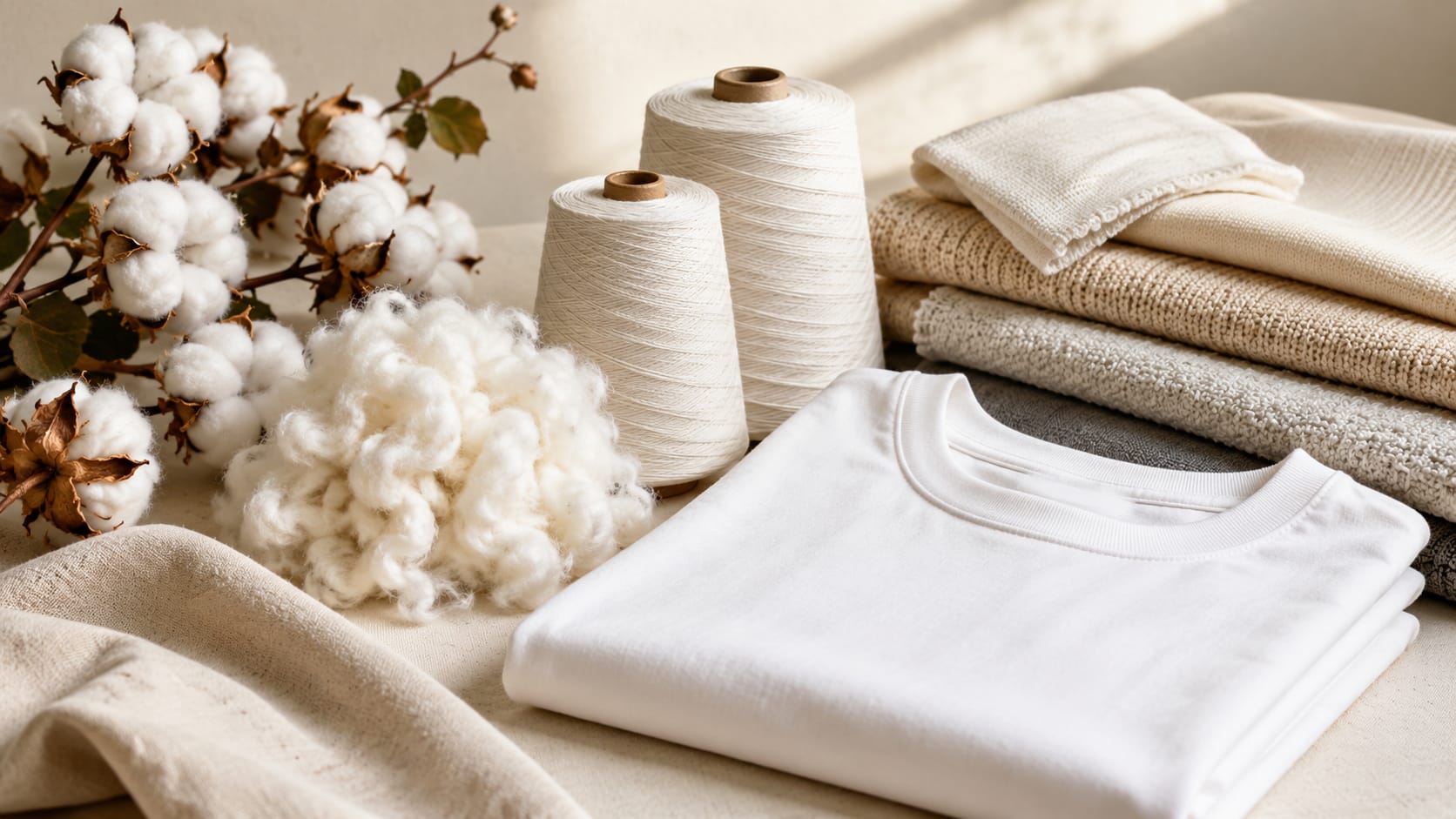
Cotton is a natural plant fibre that grows around the seeds of the cotton plant. Once harvested, the soft white fibres are separated from the seeds, cleaned, spun into yarn, and knitted or woven into fabric for clothing and countless other textile products.
Unlike synthetic fibres such as polyester or nylon, cotton is made entirely from a renewable natural source. This gives it several characteristics that people value, including softness, breathability, moisture absorption, and comfort against the skin.
One reason cotton remains so popular is its versatility. Manufacturers can produce lightweight fabrics for summer clothing, medium-weight fabrics for everyday wear, or heavyweight cotton fabrics designed for durable premium garments. By changing the yarn, knit structure, finishing process, and fabric weight, cotton can serve a wide range of purposes while retaining its natural feel.
Because of these qualities, cotton is commonly used to make:
T-shirts
Hoodies
Sweatshirts
Polo shirts
Shirts
Jeans
Underwear
Socks
Towels
Bed sheets
Baby clothing
Sportswear blends
Workwear
Its widespread use across both everyday and premium apparel is one of the reasons cotton continues to dominate the global textile industry.
Where Does Cotton Come From?
Cotton begins its journey in the field.
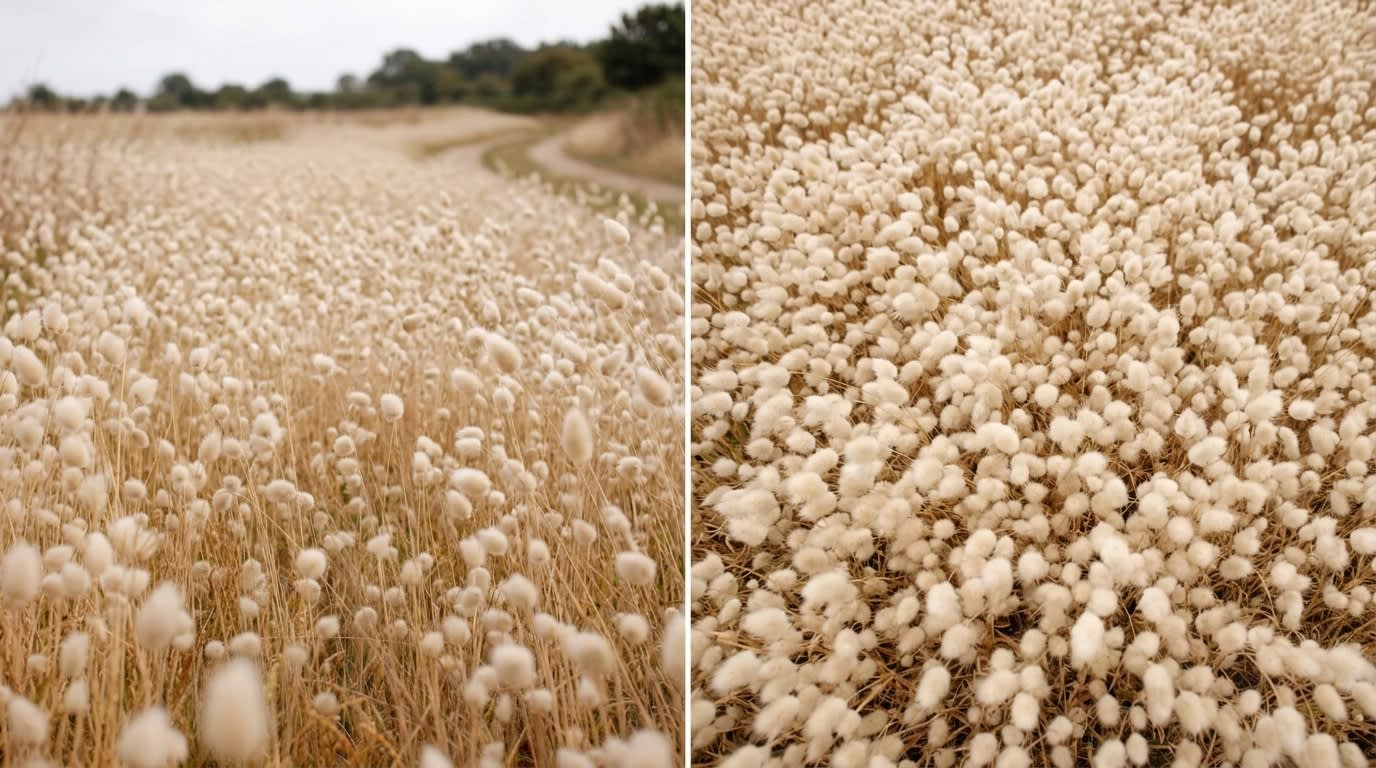
It grows on shrubs belonging to the Gossypium genus, which thrive in warm regions with long growing seasons, plenty of sunshine, and moderate rainfall. As the plant matures, it produces flowers that eventually develop into seed pods known as cotton bolls.
When the bolls ripen, they split open to reveal fluffy white fibres surrounding the seeds. These fibres are what eventually become cotton fabric.
Growing cotton involves several stages:
Farmers plant cotton seeds in suitable soil during the growing season.
The plants develop leaves, branches, and flowers over several months.
After pollination, each flower forms a boll filled with cotton fibres.
Once mature, the bolls naturally open.
The cotton is harvested either by hand or with specialised harvesting machines.
At this stage, the harvested cotton still contains seeds, plant material, and other impurities. Before it can become fabric, it must undergo several processing steps that prepare the fibres for spinning.
How Cotton Becomes Fabric
Transforming raw cotton into a finished garment is a carefully controlled process involving multiple stages.
Harvesting
The mature cotton fibres are collected from the fields once the bolls have opened.
Ginning
A machine called a cotton gin separates the fibres from the seeds. This dramatically speeds up processing compared with doing it by hand and produces clean fibre ready for further refinement.
Cleaning
The fibres are cleaned to remove remaining leaves, stems, dust, and other debris.
Carding
The fibres are brushed and aligned into a continuous web. Carding helps prepare them for spinning by arranging the fibres in a more uniform direction.
Combing (Optional)
For premium cotton fabrics, the fibres may undergo an additional combing process. Combing removes many of the shorter fibres and leaves behind longer, smoother fibres that can produce finer, stronger, and softer yarn.
Spinning
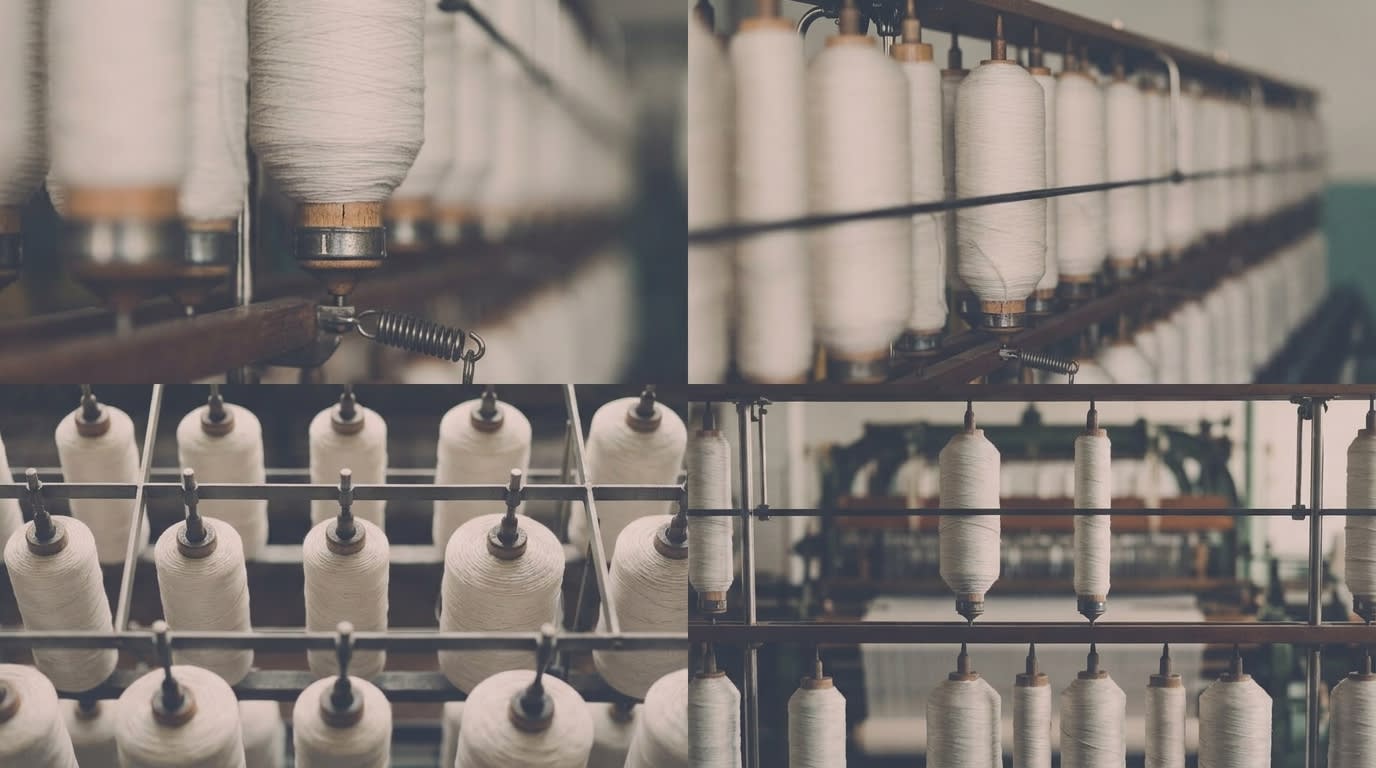
The prepared fibres are twisted together to form yarn. Different spinning methods influence the texture, strength, and appearance of the final fabric.
Knitting or Weaving
The yarn is then transformed into fabric.
Knitted fabrics are commonly used for T-shirts, hoodies, sweatshirts, and other stretchable garments, while woven fabrics are often used for shirts, trousers, jackets, and home textiles.
Dyeing and Finishing
Finally, the fabric may be dyed, softened, pre-shrunk, or treated to improve its appearance, durability, or performance before being cut and sewn into finished garments.
Why Is Cotton So Popular?
Cotton has remained one of the world’s most widely used textile fibres for centuries because it combines comfort, practicality, and versatility.
Unlike many fabrics that excel in only one area, cotton performs well across a wide range of everyday uses.
Some of the main reasons cotton continues to be a favourite include:
Softness: Cotton feels gentle against the skin, making it suitable for everyday wear.
Breathability: Air flows easily through cotton fabrics, helping improve comfort in warm conditions.
Moisture Absorption: Cotton absorbs perspiration, reducing the sticky feeling that can occur with some synthetic fabrics.
Versatility: It can be used to create lightweight summer garments, heavyweight streetwear, towels, bedding, and much more.
Durability: High-quality cotton garments can withstand repeated washing and regular use when properly cared for.
Ease of Care: Most cotton clothing is easy to wash and maintain.
Natural Fibre: Many people appreciate cotton because it is derived from a renewable plant source rather than being manufactured from synthetic materials.
These characteristics have made cotton a staple material in wardrobes around the world, from basic everyday essentials to premium fashion collections.
Key Properties of Cotton
Cotton is valued for a combination of natural characteristics that make it suitable for a wide variety of clothing and textile products. While the exact performance of a cotton fabric depends on factors such as fibre quality, yarn type, fabric construction, and finishing, most cotton fabrics share several defining properties.
Softness
One of cotton’s most appreciated qualities is its naturally soft feel. The fibres are gentle against the skin, making cotton a popular choice for everyday clothing, sleepwear, underwear, and baby garments.
Higher-quality cotton varieties with longer fibres often produce fabrics that feel even smoother and softer over time.
Breathability
Cotton allows air to circulate through the fabric, helping heat and moisture escape from the body. This breathability contributes to comfort, particularly in warm weather or during everyday activities.
The level of breathability can vary depending on the fabric’s knit or weave, thickness, and weight.
Moisture Absorption
Cotton fibres can absorb moisture from the skin, which helps reduce the damp feeling that can occur during normal wear. This property contributes to the comfort many people associate with cotton garments.
However, because cotton retains moisture, it may take longer to dry than some synthetic fabrics after washing or heavy perspiration.
Durability
Well-made cotton garments can last for years when cared for properly. Factors such as fibre length, yarn quality, fabric weight, and garment construction all influence durability.
Premium cotton fabrics often resist wear better than lower-quality alternatives because they use stronger fibres and better manufacturing techniques.
Versatility
Cotton is used in an enormous range of products, including:
T-shirts
Hoodies
Polo shirts
Shirts and blouses
Jeans
Dresses
Towels
Bed linen
Canvas bags
Home textiles
Its adaptability allows manufacturers to produce fabrics suitable for casual wear, workwear, luxury apparel, and household products.
Easy to Dye
Cotton accepts dyes well, allowing manufacturers to produce garments in a wide range of colours and patterns.
When high-quality dyes and finishing processes are used, cotton fabrics can maintain their appearance through repeated washing and everyday use.
Advantages of Cotton Clothing
Cotton has remained a preferred fabric for generations because it combines comfort with practicality. Whether you’re buying a basic T-shirt or investing in premium apparel, cotton offers several benefits that contribute to its lasting popularity.
Comfortable for Everyday Wear
Cotton’s natural softness makes it comfortable for extended wear, whether you’re relaxing at home, commuting, or spending the day outdoors.
Suitable for Different Climates
Cotton garments can be produced in various fabric weights, making them suitable for both warm and cooler conditions.
For example, lightweight cotton fabrics are often chosen for summer clothing, while heavyweight cotton is commonly used for durable sweatshirts and premium oversized T-shirts.
Durable When Well Made
High-quality cotton garments can withstand repeated washing and regular use without quickly losing their shape or comfort.
Factors such as fibre quality, stitching, and fabric construction all contribute to a garment’s lifespan.
Wide Variety of Styles
Cotton can be knitted or woven into many different fabrics, allowing designers to create everything from casual basics to tailored garments.
Timeless Appeal
Unlike some performance fabrics that are designed for specialised uses, cotton remains a timeless choice for everyday wardrobes because of its versatility and classic appearance.
Disadvantages of Cotton
Although cotton offers many advantages, no fabric is perfect. Understanding its limitations can help you choose the right material for different situations.
Can Shrink
Cotton garments may shrink if they are washed or dried at high temperatures, particularly if they have not been pre-shrunk during manufacturing.
Following the care instructions on the garment label can help minimise shrinkage.
Wrinkles Easily
Compared with many synthetic fabrics, cotton tends to wrinkle more easily after washing or prolonged wear.
Some garments are treated during manufacturing or blended with other fibres to improve wrinkle resistance.
Absorbs Moisture
While moisture absorption contributes to comfort, it also means cotton may remain damp longer than quick-drying synthetic fabrics after heavy sweating or washing.
May Fade Over Time
Repeated washing, strong detergents, prolonged sun exposure, and improper care can gradually reduce the vibrancy of dyed cotton garments.
Proper washing techniques can help preserve colour for longer.
Performance Limitations
For activities involving prolonged exposure to moisture or high-intensity exercise, some people prefer performance fabrics designed to dry more quickly or provide additional stretch.
That doesn’t make cotton unsuitable—it simply means the ideal fabric depends on how the garment will be used.
Common Types of Cotton Used in Clothing
Not all cotton is the same. The quality, feel, strength, and durability of a cotton garment depend largely on the type of cotton fibre used and how it has been processed.
Some cotton varieties are prized for their extra-long fibres, while others are valued for their affordability or sustainability. In addition, manufacturing techniques such as combing or ring spinning can further improve the quality of the finished fabric.
Here are some of the most common types of cotton you’ll encounter in clothing.
Upland Cotton
Upland cotton is the most widely grown type of cotton in the world and accounts for the majority of cotton used in everyday clothing.
Its fibres are shorter than those of premium varieties such as Pima and Egyptian cotton, making it more economical to produce. Despite this, high-quality Upland cotton can still create comfortable, durable garments when processed and manufactured well.
Many everyday T-shirts, hoodies, jeans, and household textiles are made from Upland cotton.
Pima Cotton
Pima cotton is known for its extra-long fibres, which produce exceptionally soft, smooth, and durable fabrics.
The longer fibres create stronger yarn with fewer loose ends, helping fabrics resist pilling and maintain their appearance over time.
Because of its premium feel and durability, Pima cotton is often used for luxury T-shirts, polo shirts, bedding, and other high-end apparel.
Egyptian Cotton
Egyptian cotton is another extra-long staple cotton that has earned a reputation for producing luxurious fabrics.
When authentic, it offers excellent softness, strength, and durability. However, the quality of products marketed as Egyptian cotton can vary, making it important to buy from reputable brands that clearly disclose their material sourcing.
It is commonly associated with premium bedding, dress shirts, and luxury garments.
Organic Cotton
Organic cotton is grown using farming practices that follow recognised organic standards.
Instead of focusing on softness or fibre length, the term “organic” refers to how the cotton is cultivated and processed. Many consumers choose organic cotton because of its emphasis on environmentally responsible farming methods and reduced reliance on certain synthetic agricultural inputs.
Organic cotton can be produced from different cotton varieties, meaning its quality depends on the fibres themselves as well as the manufacturing process.
Combed Cotton
Combed cotton is not a separate species of cotton. Instead, it refers to cotton that has undergone an additional manufacturing step called combing.
During combing, many of the shorter fibres and remaining impurities are removed. The result is a smoother, cleaner, and stronger yarn that produces softer fabrics with a more refined finish.
Combed cotton is frequently used in premium T-shirts and higher-quality everyday clothing.
Ring-Spun Cotton
Like combed cotton, ring-spun cotton describes a production method rather than a cotton variety.
In this process, cotton fibres are continuously twisted and thinned to produce finer, stronger, and smoother yarn.
Garments made from ring-spun cotton often have a softer hand feel and a cleaner surface than those made with conventional spinning methods.
Many premium heavyweight T-shirts use ring-spun cotton because it combines comfort with durability.
Recycled Cotton
Recycled cotton is produced using cotton fibres recovered from textile manufacturing waste, discarded garments, or other cotton-based products.
The recovered fibres are processed and spun into new yarn, helping reduce textile waste and extend the life of existing materials.
Depending on the source and processing methods, recycled cotton may be blended with virgin cotton or other fibres to improve strength and durability.
Cotton Fabric Types
When people talk about cotton, they’re often referring to the fibre itself. However, the way that fibre is knitted or woven has an equally important influence on how the finished fabric looks, feels, stretches, and performs.
The same cotton fibre can be used to produce very different fabrics, each suited to specific types of clothing.
Some of the most common cotton fabric constructions include:
Jersey Knit
Jersey is one of the most popular cotton fabrics used for T-shirts. It is soft, lightweight to medium weight, breathable, and naturally stretchy due to its knit structure.
Interlock Knit
Interlock is a double-knit fabric that feels thicker and smoother than standard jersey. It offers excellent durability, reduced curling at the edges, and a premium appearance.
Rib Knit
Rib knit is highly elastic and is commonly used for T-shirt collars, cuffs, and waistbands because it stretches and recovers well.
French Terry
French terry features smooth loops on the inside and a smooth outer surface. It offers warmth without being overly heavy, making it popular for sweatshirts, hoodies, and joggers.
Piqué
Piqué has a textured surface created by its knit structure. It is widely used for polo shirts because it combines breathability with a slightly more structured appearance.
Fleece
Cotton fleece is brushed on the inside to create a soft, insulating surface that improves warmth and comfort. It is commonly used in hoodies and sweatshirts designed for cooler weather.
Note: Many commercial fleece fabrics are cotton-polyester blends rather than 100% cotton, so it’s worth checking the garment label if fibre composition is important to you.How to Identify High-Quality Cotton Clothing
Not all cotton garments offer the same level of quality. Two T-shirts may both be labelled “100% cotton” yet differ significantly in comfort, durability, and overall finish.
When shopping for cotton clothing, consider the following factors.
Fibre Quality
Longer cotton fibres generally produce smoother and stronger yarn. Premium cotton varieties, such as Pima and Egyptian cotton, are often associated with a softer feel and improved durability because of their fibre length.
Yarn Construction
The way cotton fibres are spun into yarn also matters.
For example, ring-spun cotton typically produces finer, smoother yarn than conventional spinning methods, while combed cotton undergoes an additional process that removes many shorter fibres and impurities.
Fabric Weight
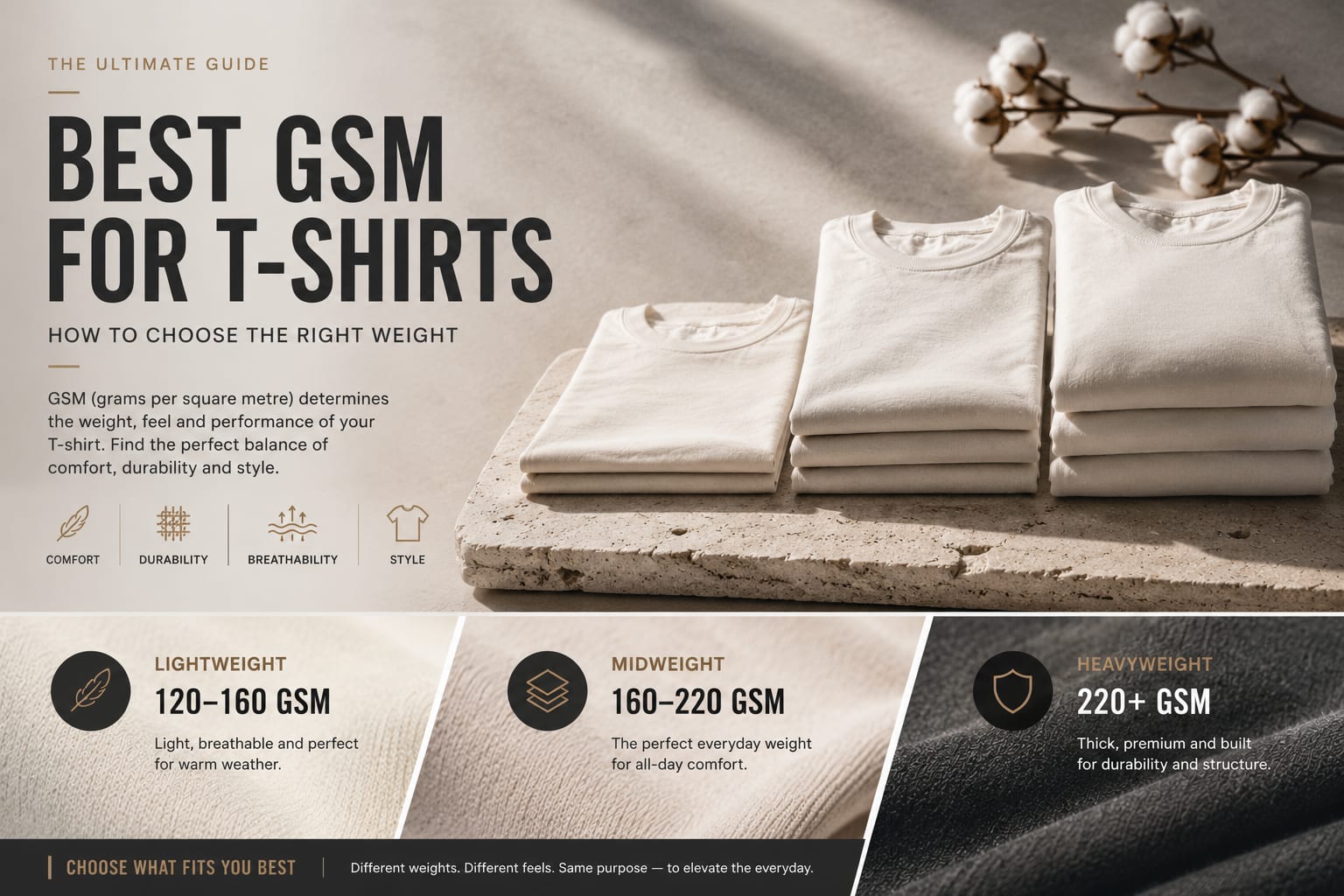
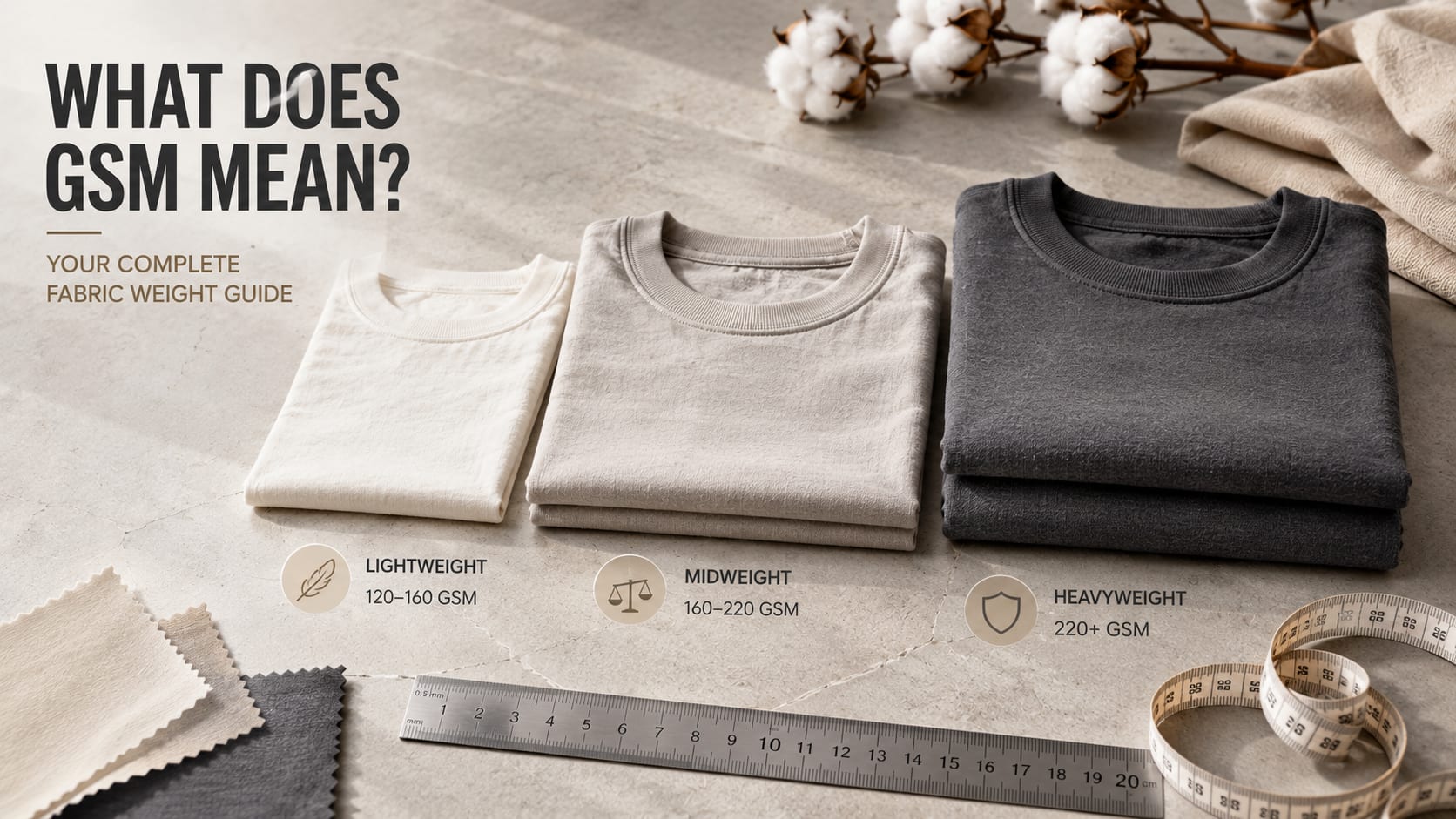
Fabric weight is commonly measured in grams per square metre (GSM).
A higher GSM does not automatically mean better quality, but it often results in a thicker, more substantial fabric. The ideal GSM depends on the garment’s intended use.
Fabric Construction
The knitting or weaving method affects how the garment feels and performs.
For example:
Jersey knit offers softness and flexibility.
Interlock provides a thicker, smoother finish.
Rib knit adds stretch and shape retention.
French terry balances warmth and breathability.
Choosing the right construction is just as important as choosing the right fibre.
Stitching and Construction
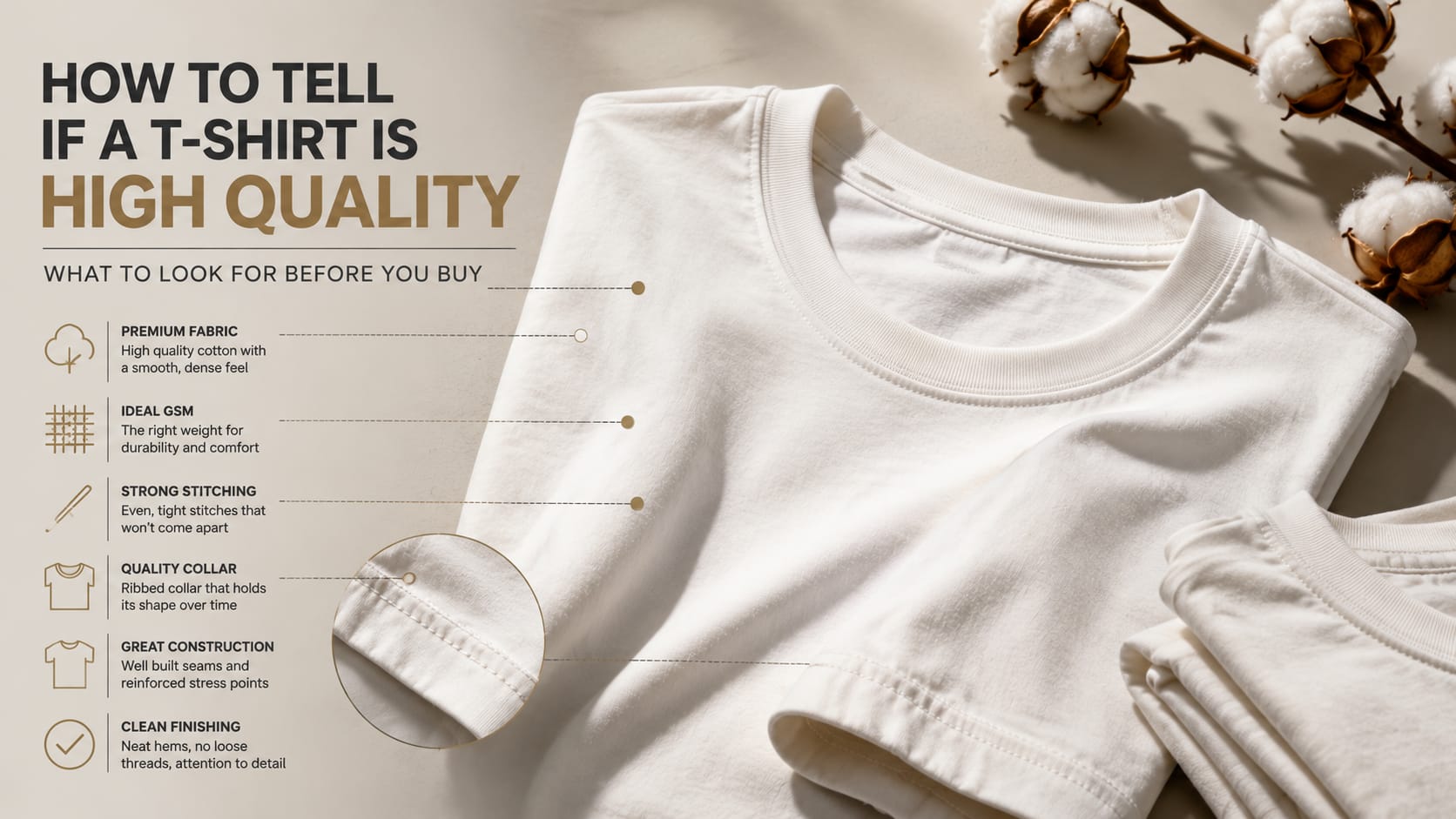
Quality garments are assembled with careful attention to detail.
Look for:
Straight, even stitching
Secure seams
Reinforced stress points where appropriate
Well-finished collars and hems
Minimal loose threads
Good construction helps garments maintain their shape through repeated wear and washing.
Finishing
Manufacturers may apply finishing treatments to improve the appearance or performance of cotton fabric.
For example, some garments are pre-shrunk to reduce shrinkage after washing, while others undergo softening treatments to enhance comfort.
How to Care for Cotton Clothing
Proper care can significantly extend the life of cotton garments while helping them retain their colour, shape, and comfort.
Wash with Similar Colours
Separate light and dark garments to help reduce colour transfer during washing.
Follow the Care Label
Always check the garment’s care instructions before washing, drying, or ironing. Different cotton fabrics may have different care requirements.
Use an Appropriate Water Temperature
Using the temperature recommended on the care label helps protect both the fabric and any printed or decorative elements.
Avoid Overloading the Washing Machine
Giving garments enough room to move freely during washing allows them to be cleaned more effectively while reducing unnecessary friction.
Dry Carefully
Excessive heat can increase the risk of shrinkage for some cotton garments.
When appropriate, reshaping garments while damp and allowing them to dry naturally can help maintain their original fit.
Iron if Needed
Cotton wrinkles more easily than many synthetic fabrics. If ironing is required, follow the care label’s guidance and avoid ironing directly over printed designs unless specifically recommended.
Store Properly
Fold or hang cotton clothing in a clean, dry space away from prolonged moisture. Proper storage helps garments maintain their appearance between wears.
Frequently Asked Questions
Is cotton a natural or synthetic fibre?
Cotton is a natural fibre obtained from the cotton plant. Unlike synthetic fibres such as polyester or nylon, it is derived from a renewable plant source.
Is 100% cotton always better?
Not necessarily. The overall quality of a garment depends on several factors, including fibre quality, yarn construction, fabric weight, garment construction, and finishing processes. A well-made cotton blend can outperform a poorly manufactured 100% cotton garment in certain applications.
Does cotton shrink after washing?
Some cotton fabrics may shrink, particularly if they have not been pre-shrunk or are exposed to excessive heat during washing or drying. Following the care instructions helps reduce the risk.
Is cotton good for hot weather?
Yes. Cotton’s breathability and moisture-absorbing properties make it a popular choice for many warm-weather garments.
Why do some cotton T-shirts feel softer than others?
Softness is influenced by several factors, including fibre length, spinning method, combing, fabric construction, finishing treatments, and repeated washing.
What is the difference between combed cotton and ring-spun cotton?
Combed cotton refers to cotton that has undergone an additional combing process to remove many shorter fibres and impurities. Ring-spun cotton refers to a spinning method that produces finer, smoother yarn. A garment may be both combed and ring-spun.
Can cotton be blended with other fibres?
Yes. Cotton is often blended with fibres such as polyester, elastane, or rayon to achieve specific characteristics like improved stretch, wrinkle resistance, or faster drying.
Why is cotton so widely used in clothing?
Cotton offers a balance of comfort, breathability, versatility, and durability that makes it suitable for many different types of apparel and textiles.
Conclusion
Cotton has earned its place as one of the world’s most popular clothing fibres through its versatility, comfort, and adaptability. From lightweight everyday T-shirts to premium heavyweight garments, its ability to meet a wide range of needs has made it a cornerstone of the global textile industry.
However, understanding cotton goes beyond recognising it as a natural fibre. The type of cotton, the way it is processed, the fabric construction, and the quality of the garment all influence how it looks, feels, and performs over time.
Whether you’re shopping for better clothing, comparing fabrics, or learning more about textiles, understanding these factors will help you make more informed decisions and better appreciate what sets high-quality cotton garments apart.