 Greyfits
How to Tell If a T-Shirt Is High Quality: Buyer’s Guide
A high-quality T-shirt offers more than good looks. Learn how to evaluate fabric, construction, stitching, fit, and finishing so you can make smarter buying decisions.
Introduction
At first glance, many T-shirts look almost identical. They may have the same colour, a similar fit, and even comparable price tags. Yet after a few washes, one still looks and feels great while the other loses its shape, fades quickly, or develops loose seams.
The difference lies in the quality of the materials and the way the garment is made. A high-quality T-shirt isn’t defined by a single feature but by a combination of carefully selected fabric, skilled construction, durable stitching, and thoughtful finishing.
Knowing how to evaluate these details can help you spend your money more wisely. Rather than replacing inexpensive T-shirts every few months, investing in better-made garments often provides greater comfort, longer wear, and better overall value.
In this guide, you’ll learn the key characteristics of a high-quality T-shirt, what to look for before buying, and how to recognise the signs of excellent craftsmanship.
Key Takeaways
High-quality T-shirts combine premium materials with excellent construction.
Fabric quality is just as important as fabric weight.
Ring-spun and combed cotton often provide a softer, smoother feel.
Strong stitching and a well-constructed collar improve durability.
A well-made T-shirt should retain its shape after repeated washing.
Evaluating construction details helps you make better long-term buying decisions.
Why T-Shirt Quality Matters
A T-shirt is one of the most frequently worn items in many wardrobes. Whether it’s worn on its own, layered under a jacket, or paired with jeans for everyday use, a well-made T-shirt can provide years of reliable wear. Choosing a higher-quality garment isn’t just about appearance—it’s also about comfort, durability, and long-term value.
Looking Beyond Price
Price alone doesn’t determine quality.
Some expensive T-shirts rely heavily on branding, while some reasonably priced options are made with excellent materials and construction. Instead of judging a garment by its price tag, it’s more useful to examine how it’s made.
The fabric, stitching, collar construction, and finishing often reveal far more about quality than the brand name printed on the label.
Why Better T-Shirts Last Longer
High-quality T-shirts are designed to withstand repeated wear and washing without losing their shape or comfort.
Premium fabrics, carefully sewn seams, and well-finished details help reduce common problems such as stretching, twisting, fading, and seam failure. While no garment lasts forever, investing in better construction usually means replacing your T-shirts less often, which can offer better value over time.
Check the Fabric First
The fabric is the foundation of every T-shirt. Even the best stitching and construction can’t compensate for poor-quality material. Before examining any other feature, take a closer look at the fabric itself.
A high-quality fabric should feel comfortable, maintain its appearance over time, and withstand repeated washing without significant changes in texture or shape.
Cotton Quality
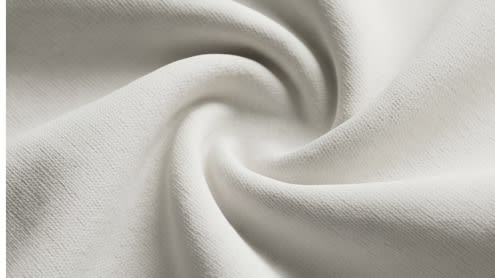
Not all cotton is the same.
The quality of a cotton T-shirt depends on factors such as fibre length, fibre cleanliness, spinning method, and fabric construction. Longer, cleaner fibres generally produce smoother, stronger yarn, resulting in a more comfortable and durable garment.
Manufacturers may also use different grades of cotton, which can influence how the fabric feels and performs over time. A T-shirt made from higher-quality cotton is more likely to remain soft and retain its appearance after repeated wear.
When evaluating a cotton T-shirt, look beyond the label that simply says “100% cotton.” The type and quality of the cotton matter just as much as the fibre composition.
Ring-Spun and Combed Cotton
Many premium T-shirts are made using ring-spun cotton, combed cotton, or both.
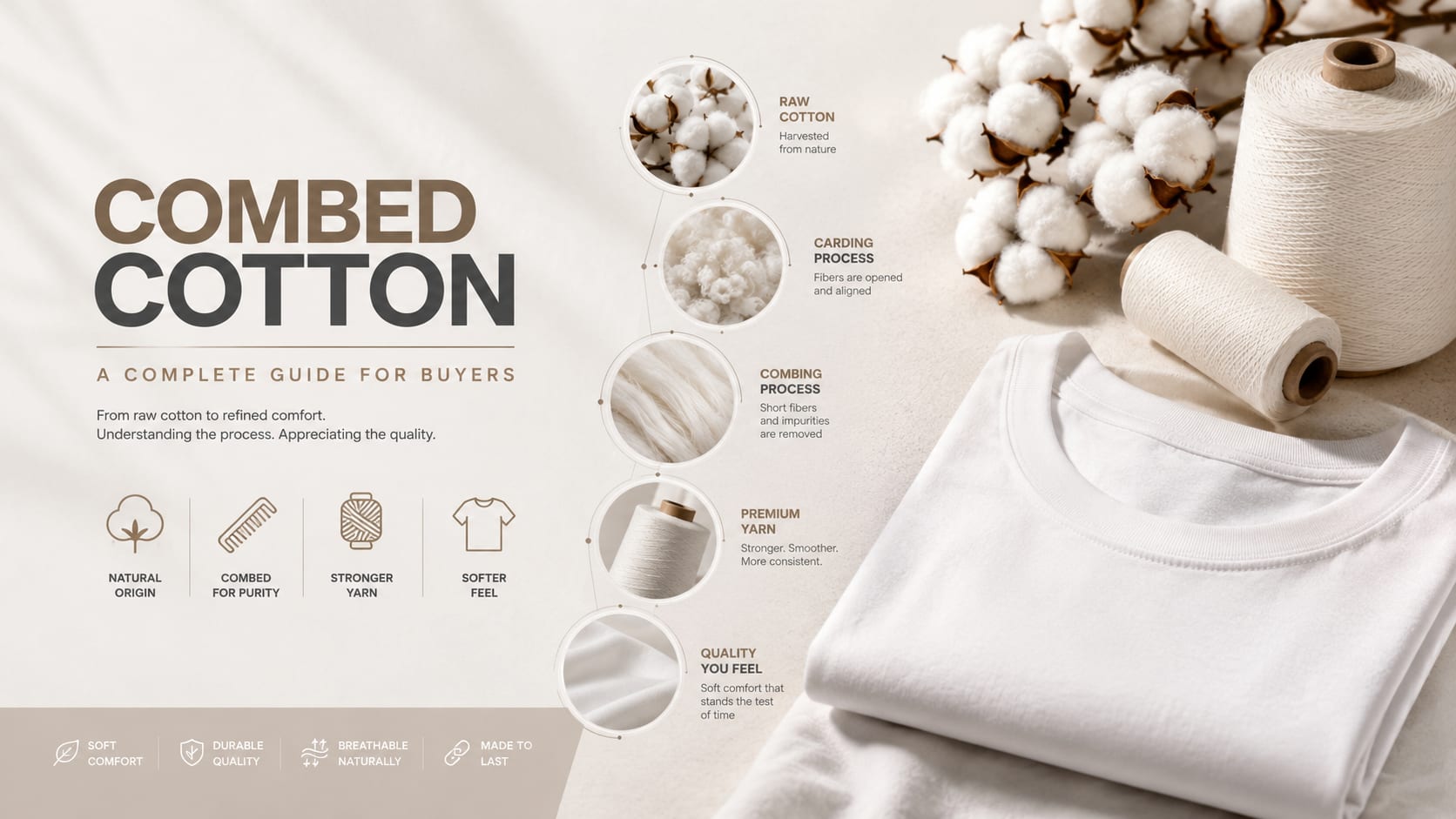
Ring-spun cotton refers to the way the fibres are spun into yarn. This process creates smoother, finer, and stronger yarn than many conventional spinning methods, resulting in fabric that feels softer and more refined.
Combed cotton undergoes an additional processing step before spinning, removing many of the shorter fibres and remaining impurities. This creates a smoother, more uniform yarn that contributes to a cleaner surface and improved comfort.
When a garment is described as combed ring-spun cotton, it combines both manufacturing processes to produce fabric that is typically softer, stronger, and more consistent than standard cotton.
These terms should be viewed as positive quality indicators rather than guarantees. The overall quality of the garment still depends on factors such as fibre selection, fabric weight, construction, and finishing.
Fabric Feel
One of the simplest ways to evaluate a T-shirt is by touching the fabric.
A well-made T-shirt should feel smooth, substantial, and comfortable without being stiff or overly rough. The surface should appear relatively even, with minimal loose fibres or excessive fuzz.
Avoid relying solely on softness, however. Some manufacturers use fabric treatments to create an initially soft feel that may diminish after several washes.
Instead, assess the fabric as a whole. Consider its texture, density, flexibility, and overall finish rather than judging quality based on softness alone.
Understand Fabric Weight (GSM)
Fabric weight is another important indicator of quality, but it’s often misunderstood.
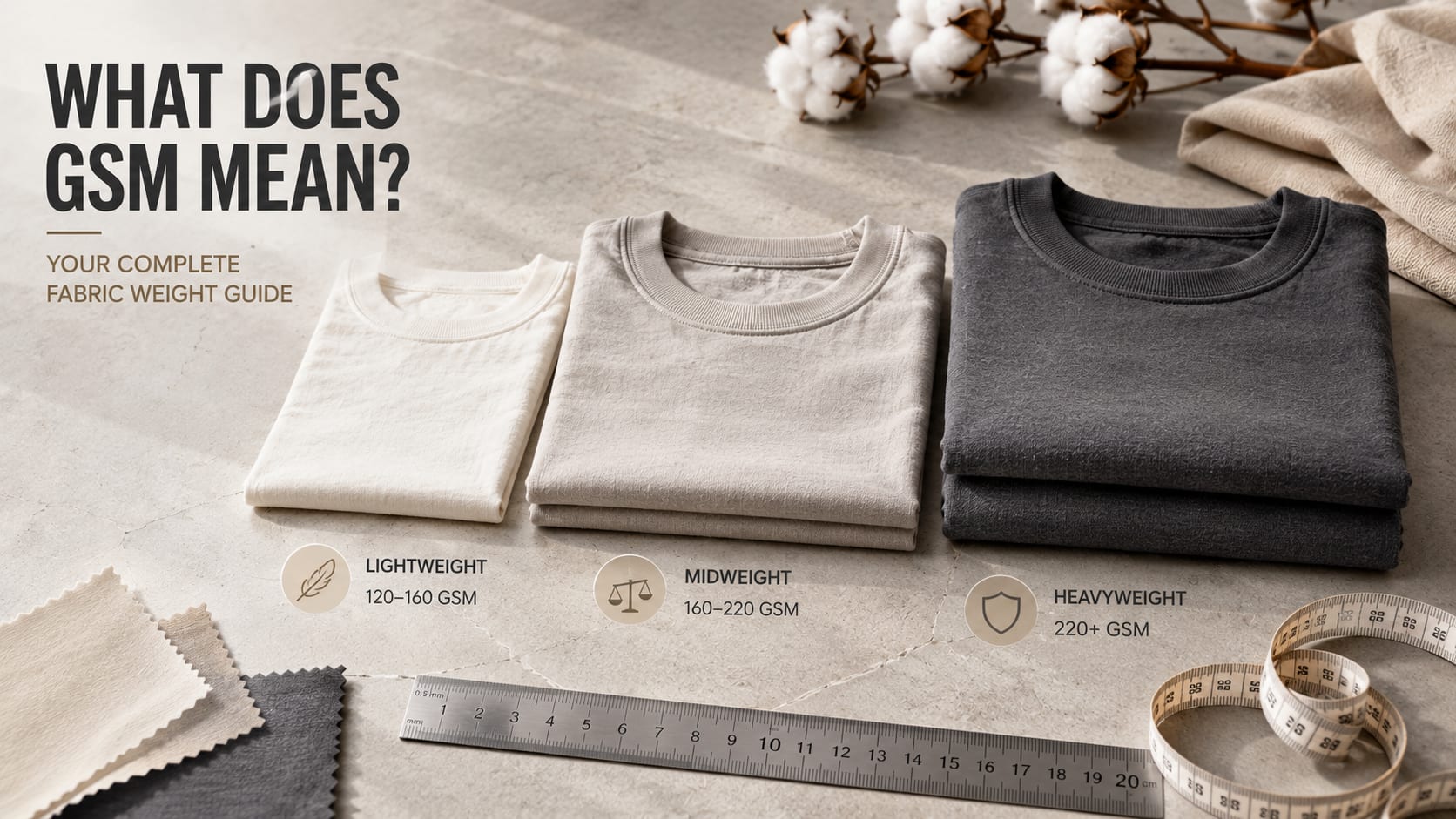
Many shoppers assume that heavier fabric always means better quality. In reality, GSM (grams per square metre) measures the weight of the fabric, not its overall quality. While heavier fabrics often feel more substantial, a lighter fabric made from premium fibres can still outperform a poorly made heavyweight fabric.
Understanding GSM helps you choose a T-shirt that matches your preferences and intended use.
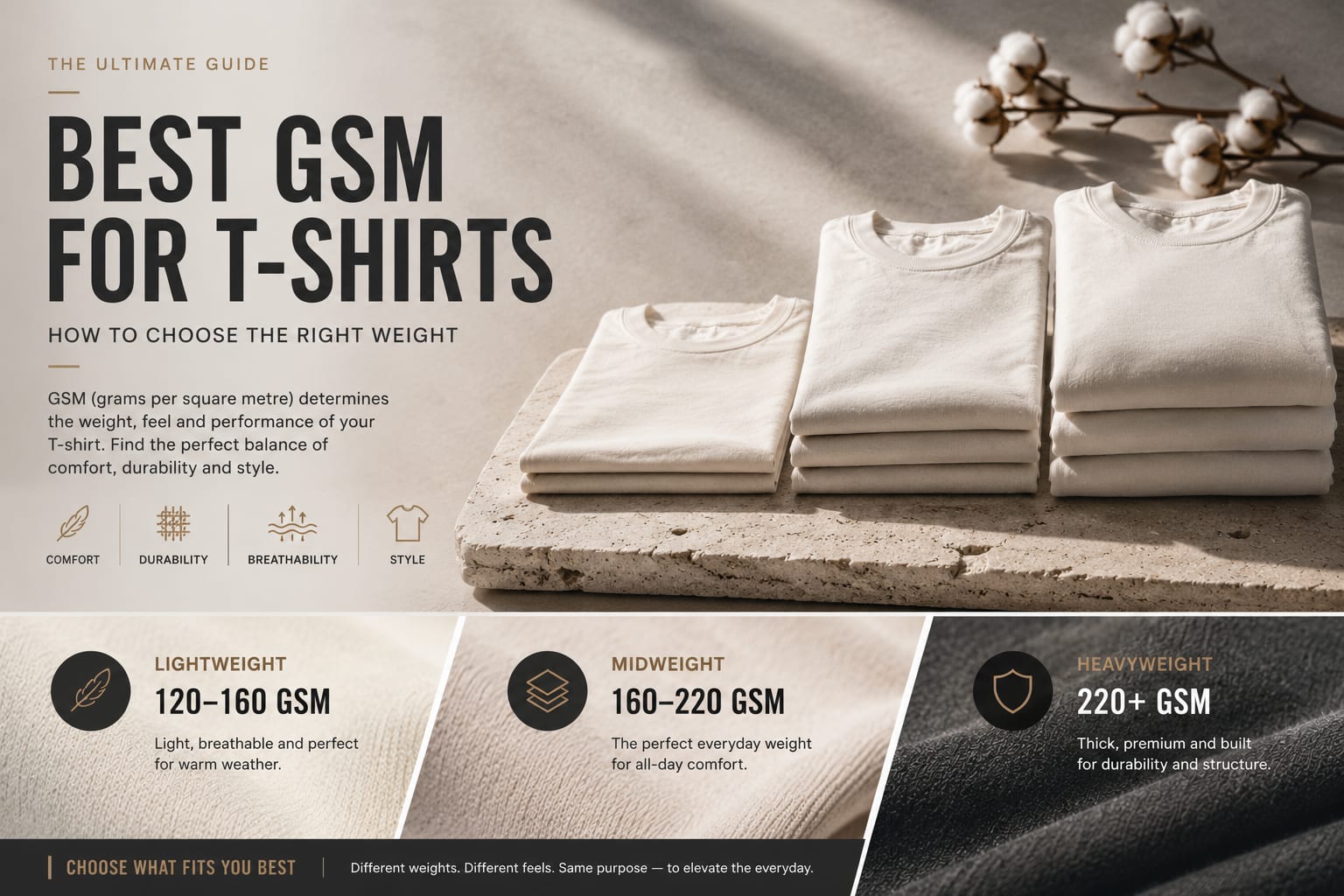
Lightweight, Midweight, and Heavyweight
Although classifications vary between manufacturers, T-shirts generally fall into three categories:
Lightweight: Approximately 120–160 GSM. These fabrics are breathable and ideal for hot climates or layering but may feel less substantial.
Midweight: Approximately 160–220 GSM. This range balances comfort, durability, and versatility, making it suitable for everyday wear.
Heavyweight: Typically 220 GSM and above. Heavyweight fabrics offer a thicker feel, improved structure, and often greater durability. They are popular for premium oversized T-shirts and streetwear.
It’s important to remember that these ranges are guidelines rather than strict rules. Construction, fibre quality, and finishing remain equally important.
Choosing the Right GSM
The ideal GSM depends on how you plan to wear the T-shirt.
If you prefer lightweight clothing for warm weather, a lower GSM may be the better choice. If you value structure, durability, and a more premium feel, a higher GSM could be more suitable.
Rather than focusing on GSM alone, evaluate it alongside the fabric quality and construction. A well-made 180 GSM T-shirt can easily outperform a poorly manufactured 280 GSM one.
Examine the Stitching
Stitching plays a major role in determining how well a T-shirt holds up over time. Even if a garment is made from premium fabric, poor stitching can lead to loose seams, fraying, and a shorter lifespan.
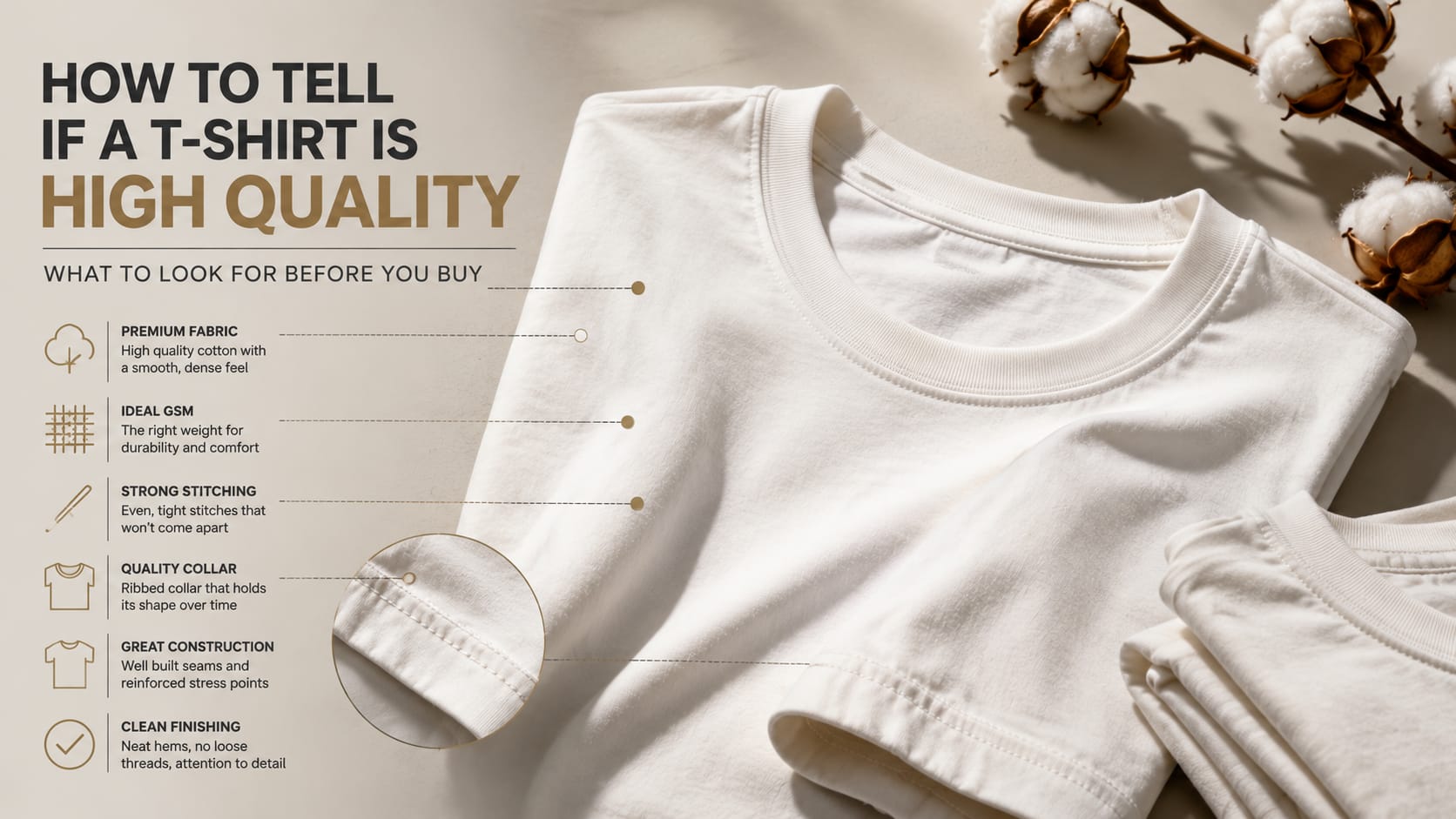
A well-constructed T-shirt should have clean, consistent stitching throughout, with no obvious defects or weak points.
Straight and Consistent Seams
Take a close look at the seams running along the shoulders, sleeves, and sides of the T-shirt.
The stitches should be evenly spaced and follow a straight line without waviness or skipped sections. Uneven stitching may indicate poor quality control during manufacturing and can affect the garment’s durability.
If possible, turn the T-shirt inside out. The inside seams should be neat and securely finished, with no excessive loose threads.
Reinforced Stress Points
Certain areas of a T-shirt experience more strain than others, particularly the shoulders, neckline, and underarms.
High-quality garments often reinforce these areas with stronger stitching or additional seam construction to reduce the likelihood of tearing during everyday wear.
While reinforcement methods vary between manufacturers, well-secured stress points generally contribute to a longer-lasting garment.
Inspect the Collar
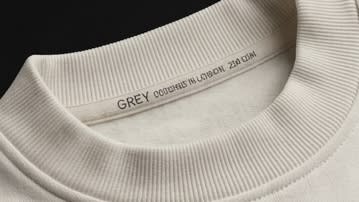
The collar is one of the first parts of a T-shirt to show signs of wear. A poorly made collar can stretch, curl, or lose its shape after repeated washing, making even an otherwise good T-shirt look worn out.
Examining the collar is one of the quickest ways to judge overall garment quality.
Collar Construction
A quality crew neck should feel firm without being stiff.
The ribbed collar should be evenly knitted and securely attached to the body of the T-shirt. Look for smooth stitching around the neckline with no puckering or uneven tension.
A well-constructed collar sits flat against the neck and maintains a clean appearance when worn.
Shape Retention
One sign of a premium T-shirt is how well the collar maintains its original shape.
After repeated washing and regular wear, a high-quality collar should remain close to its original form instead of becoming stretched or wavy.
Collar durability depends on several factors, including rib knit quality, stitching, and overall garment construction.
Evaluate the Garment Construction
Good construction ensures that every part of the T-shirt works together to provide comfort, durability, and a consistent fit.
Even subtle differences in construction can affect how a garment feels and performs over time.
Side-Seamed vs Tubular Construction
Many premium T-shirts use side-seamed construction, where separate front and back panels are joined together along the sides.
This method often provides a more consistent fit and helps the garment maintain its shape.
Tubular construction, on the other hand, is made from a continuous tube of fabric without side seams. While it can reduce manufacturing costs and work well for certain styles, the fit may vary depending on the garment’s design and production quality.
Neither method is inherently superior in every situation, but the overall execution and quality control are more important than the construction method alone.
Fabric Consistency
Inspect the fabric across the entire garment.
A quality T-shirt should have a consistent texture and thickness from the sleeves to the body. There should be no noticeably thin areas, uneven dye, or irregular weaving.
Consistency reflects careful manufacturing and quality control, both of which contribute to a better finished product.
Assess the Fit
A high-quality T-shirt should not only look good on the hanger but also fit comfortably and maintain its shape during everyday wear.
Good fit is achieved through thoughtful pattern design, accurate sizing, and precise garment construction.
Balanced Proportions
Check whether the sleeves, body length, and shoulder width appear balanced.
The side seams should hang straight, and the garment should sit naturally on the body without twisting or pulling excessively.
Poor proportions can affect both comfort and appearance, even when premium materials are used.
Comfort and Movement
Move naturally while wearing the T-shirt.
Raise your arms, sit down, and walk around. A well-made T-shirt should allow comfortable movement without feeling restrictive or losing its shape.
The combination of quality fabric, proper construction, and an appropriate fit contributes to an overall better wearing experience.
Look at the Finishing Details
The finishing touches on a T-shirt often reveal the manufacturer’s attention to detail. While these elements may seem minor individually, together they contribute significantly to the garment’s overall quality and longevity.
Hems
Inspect the bottom hem and sleeve hems carefully.
They should be straight, evenly folded, and securely stitched. Uneven hems or inconsistent stitching can affect both the appearance and durability of the garment.
Many premium T-shirts use double-needle stitching on the hems to improve strength and reduce the risk of the seams coming undone over time.
Loose Threads
A well-made T-shirt should have a clean finish inside and out.
Loose threads don’t always mean a garment is poorly made, but excessive loose ends may indicate rushed production or inadequate quality control. Check around the sleeves, side seams, and neckline for any obvious signs of unfinished stitching.
Labels and Care Information
Quality brands usually provide clear and durable care labels.
The label should include information such as:
Fabric composition
Washing instructions
Country of manufacture (where required)
Size information
Well-presented labels reflect attention to detail and help you care for the garment correctly, which can extend its lifespan.
Common Signs of a Poor-Quality T-Shirt
Recognising the warning signs of poor construction can help you avoid garments that may wear out quickly.
Thin or Inconsistent Fabric
A fabric that feels excessively thin or has uneven thickness throughout the garment may not perform well over time.
Keep in mind that lightweight doesn’t necessarily mean low quality. The concern is inconsistency or fabric that lacks sufficient structure for its intended purpose.
Uneven Stitching
Crooked seams, skipped stitches, or inconsistent stitch spacing are signs of poor workmanship.
These defects can weaken the garment and increase the likelihood of seams coming apart with regular wear.
Twisting After Washing
Some low-quality T-shirts twist after laundering because the fabric wasn’t properly prepared or the garment wasn’t cut and sewn with adequate precision.
When this happens, the side seams may shift toward the front or back, affecting both the appearance and fit.
Excessive Shrinkage
Some shrinkage is normal for many cotton garments, particularly if they haven’t been pre-shrunk.
However, excessive shrinkage after following the care instructions may indicate lower manufacturing standards or inadequate finishing processes.
Frequently Asked Questions
Does a heavier T-shirt always mean better quality?
No. A heavier fabric can feel more substantial, but GSM measures fabric weight, not quality. Fibre quality, yarn type, construction, and finishing are equally important.
Are 100% cotton T-shirts always high quality?
No. A label stating “100% cotton” only tells you the fibre composition. The quality depends on factors such as the type of cotton, fibre length, spinning method, fabric weight, construction, and finishing.
What should I check first when buying a T-shirt?
Start with the fabric. Then examine the stitching, collar, construction, fit, and finishing details. Looking at all these factors together provides a more accurate picture of the garment’s quality.
Do expensive T-shirts last longer?
Not necessarily. A higher price doesn’t always reflect better quality. Evaluating the garment’s materials and construction is often more reliable than judging it by price alone.
Can a lightweight T-shirt still be high quality?
Yes. Many premium lightweight T-shirts use high-quality fibres and excellent construction. The best fabric weight depends on the intended use and personal preference.
Conclusion
A high-quality T-shirt is the result of thoughtful material selection, skilled manufacturing, and careful attention to detail. Rather than focusing on a single feature, it’s important to evaluate the garment as a whole.
Start by checking the fabric, paying attention to cotton quality, yarn type, and fabric weight. Then examine the stitching, collar, construction, fit, and finishing details. Together, these elements determine how comfortable the T-shirt feels, how well it holds its shape, and how long it will last.
While no T-shirt is perfect for every situation, understanding these characteristics makes it easier to compare garments and choose one that offers lasting value instead of simply relying on branding or price.
The next time you’re shopping for a T-shirt, you’ll know exactly what to look for—and what to avoid.
Suggested Internal Links
Heavyweight Cotton Explained
Does Cotton Shrink?
How to Wash Cotton Clothes Properly