 Greyfits
What Is Ring-Spun Cotton? A Complete Guide to Quality
Ring-spun cotton is a type of cotton fabric made using a specific spinning process, resulting in softer, stronger, and more durable garments. It's commonly used in premium clothing, offering improved comfort and appearance. Learn more about ring-spun cotton and its benefits.
Introduction
When shopping for premium clothing, you’ve likely seen brands advertise garments as ring-spun cotton. The term often appears on product labels, marketing materials, and clothing websites, suggesting a softer, higher-quality fabric than ordinary cotton.
While that claim is generally true, many people misunderstand what ring-spun cotton actually is. It isn’t a special species of cotton or a premium grade of cotton plant. Instead, ring-spun cotton refers to the method used to spin cotton fibres into yarn. This manufacturing process produces finer, smoother, and stronger yarn than conventional spinning methods, giving the finished fabric a noticeably softer feel and a more refined appearance.
However, ring-spun cotton isn’t automatically the best choice in every situation. The overall quality of a garment still depends on factors such as the cotton fibres used, fabric construction, garment manufacturing, and finishing processes.
In this guide, you’ll learn what ring-spun cotton is, how it’s made, how it differs from regular cotton, its advantages and disadvantages, and whether it’s worth choosing for your next clothing purchase.
Key Takeaways
Ring-spun cotton is defined by how the cotton yarn is spun, not by the type of cotton plant used.
The ring-spinning process creates smoother, finer, and stronger yarn than conventional spinning methods.
Clothing made from ring-spun cotton is often softer, more durable, and less prone to pilling.
Ring-spun cotton is commonly used in premium T-shirts, hoodies, sweatshirts, and other high-quality apparel.
Although it generally costs more to produce, many people consider the improved comfort and appearance worth the additional cost.
What Is Ring-Spun Cotton?
Ring-spun cotton is cotton that has been transformed into yarn using a manufacturing technique known as ring spinning. During this process, cotton fibres are continuously drawn out, twisted, and thinned before being wound onto a spool. The controlled twisting aligns the fibres more closely, producing yarn that is finer, smoother, and stronger than yarn made using many conventional spinning methods.
It’s important to understand that ring-spun cotton is not a different variety of cotton. The cotton fibres may come from Upland cotton, Pima cotton, or another cotton variety. What makes the finished product “ring-spun” is the spinning process itself rather than the source of the fibres.
Because the yarn contains fewer loose fibre ends, fabrics made from ring-spun cotton often feel softer against the skin and have a cleaner, more refined surface. These characteristics make ring-spun cotton a popular choice for premium clothing, particularly garments designed for frequent wear.
Why Is It Called “Ring-Spun”?
The name comes from the machinery traditionally used during production.
In ring spinning, the cotton fibres pass through a system that includes a rotating ring and traveller. As the yarn is drawn and twisted, these components help control the twisting process while winding the finished yarn onto a spindle.
This continuous twisting creates a tighter and more uniform yarn structure than many older spinning methods. The result is yarn with improved strength, a smoother texture, and a more consistent appearance.
Although modern textile manufacturing continues to evolve, the term ring-spun cotton remains widely used to describe cotton yarn produced using this proven spinning technique.
How Is Ring-Spun Cotton Made?
Producing ring-spun cotton involves several carefully controlled stages. While the process begins with harvested cotton fibres, the defining difference lies in how those fibres are transformed into yarn.
Preparing the Cotton Fibres
Before spinning can begin, harvested cotton is cleaned to remove seeds, dust, and other impurities. The fibres are then carded to align them into a continuous strand.
For premium fabrics, manufacturers may also comb the cotton. Combing removes many of the shorter fibres and remaining impurities, leaving longer fibres that can produce smoother, stronger yarn.
The quality of this preparation stage has a significant impact on the finished fabric.
The Ring-Spinning Process
Once the fibres have been prepared, they enter the ring-spinning machine.
Here, the fibres are gradually stretched while being continuously twisted. This twisting binds the fibres tightly together, creating a fine and uniform yarn with a smooth surface.
Compared with many conventional spinning methods, ring spinning generally produces yarn that has:
A softer hand feel
Greater strength
Better fibre alignment
A cleaner appearance
Fewer loose fibres
These qualities contribute to the premium feel that many consumers notice when wearing ring-spun cotton garments.
How Ring Spinning Differs from Conventional Spinning
The key difference lies in the way the yarn is formed.
Conventional spinning methods can produce thicker yarn with more loosely arranged fibres, resulting in a fabric that may feel slightly rougher or less refined.
Ring spinning focuses on creating a tighter, more consistent yarn structure. This improved fibre alignment helps produce fabrics that are smoother, stronger, and often more resistant to surface fuzz and pilling over time.
While the manufacturing process is slower and typically more expensive, the improved quality is one reason many premium clothing brands choose ring-spun cotton for their garments.
Ring-Spun Cotton vs Regular Cotton
One of the most common questions shoppers ask is whether ring-spun cotton is actually better than regular cotton. The answer depends on what you value most, but in many everyday clothing applications, ring-spun cotton offers noticeable advantages.
It’s important to remember that both fabrics are still cotton. The difference lies in how the fibres are spun into yarn, which affects the feel, appearance, and performance of the finished garment.
Softness
Ring-spun cotton is generally softer than regular cotton because the spinning process creates a finer, smoother yarn with fewer loose fibre ends.
This smoother yarn gives the fabric a softer hand feel, making it more comfortable against the skin. That’s one reason ring-spun cotton is commonly used in premium T-shirts and casual clothing designed for all-day comfort.
Regular cotton can still be comfortable, but depending on the spinning method and fibre quality, it may feel slightly coarser or less refined.
Strength and Durability
The continuous twisting used during ring spinning creates a stronger yarn structure.
As a result, garments made from ring-spun cotton often withstand repeated wear and washing better than similar garments made with conventionally spun yarn.
Of course, durability also depends on other factors such as fibre quality, fabric weight, stitching, and overall garment construction.
Appearance
Ring-spun cotton fabrics usually have a cleaner, smoother surface because fewer loose fibres protrude from the yarn.
This gives garments a more premium appearance and can help printed graphics appear sharper on the fabric.
Regular cotton fabrics may have a slightly rougher texture or a more noticeable surface fuzz, depending on how they were manufactured.
Price
Because ring spinning is a more precise and time-intensive manufacturing process, producing ring-spun yarn generally costs more.
That additional manufacturing cost is often reflected in the retail price of garments.
However, many consumers consider the extra cost worthwhile because of the improved comfort, appearance, and longevity.
Feature Ring-Spun Cotton Regular Cotton Softness Excellent Good Yarn Texture Smooth and fine More variable Strength Higher Moderate Comfort Excellent Good Surface Finish Clean and refined Can be slightly rougher Typical Use Premium apparel Everyday clothing Cost Usually higher Usually lower
Benefits of Ring-Spun Cotton
Ring-spun cotton has become a preferred material for many clothing brands because it combines comfort with durability. Its manufacturing process creates yarn that offers several advantages over many conventionally spun alternatives.
Softer Feel
The smoother yarn produced through ring spinning gives fabrics a soft, comfortable feel that many people notice immediately.
This makes ring-spun cotton particularly popular for garments worn directly against the skin, such as T-shirts and sweatshirts.
Improved Durability
The tighter fibre structure helps create stronger yarn that can better withstand regular wear.
When combined with quality construction and proper care, ring-spun cotton garments can maintain their appearance for years.
Reduced Pilling
Because the fibres are more tightly aligned, ring-spun cotton fabrics often develop less surface fuzz and pilling than fabrics made with less refined yarn.
While no fabric is completely immune to pilling, higher-quality yarn generally contributes to a cleaner appearance over time.
Better Printing Surface
A smoother fabric surface provides an excellent foundation for many garment decoration techniques.
Whether a T-shirt is screen printed, embroidered, or decorated using direct-to-film (DTF) printing, a smoother fabric can contribute to cleaner-looking results. The final appearance also depends on the decoration method, equipment, and production quality.
Premium Look and Feel
Many premium clothing brands choose ring-spun cotton because it delivers a balance of softness, durability, and a refined appearance that customers associate with higher-quality garments.
Disadvantages of Ring-Spun Cotton
Although ring-spun cotton offers many advantages, it’s not always the perfect choice for every garment or every buyer.
Higher Production Cost
Ring spinning requires additional manufacturing precision and time, making it more expensive than some conventional spinning methods.
As a result, garments made from ring-spun cotton often cost more than similar products made from regular cotton.
Quality Still Depends on Other Factors
Seeing “ring-spun cotton” on a label doesn’t automatically guarantee a premium garment.
The finished product also depends on:
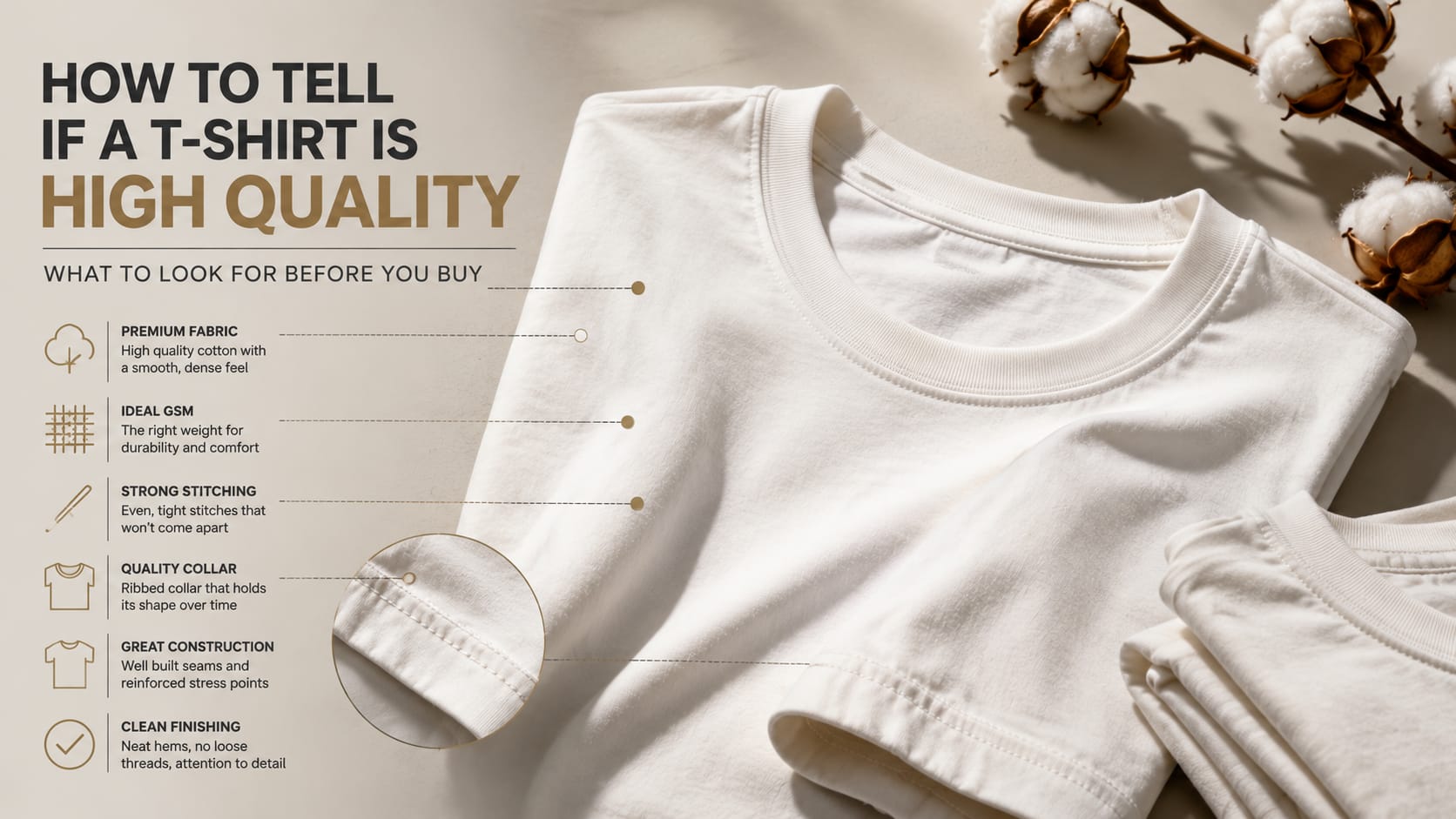
The quality of the cotton fibres.
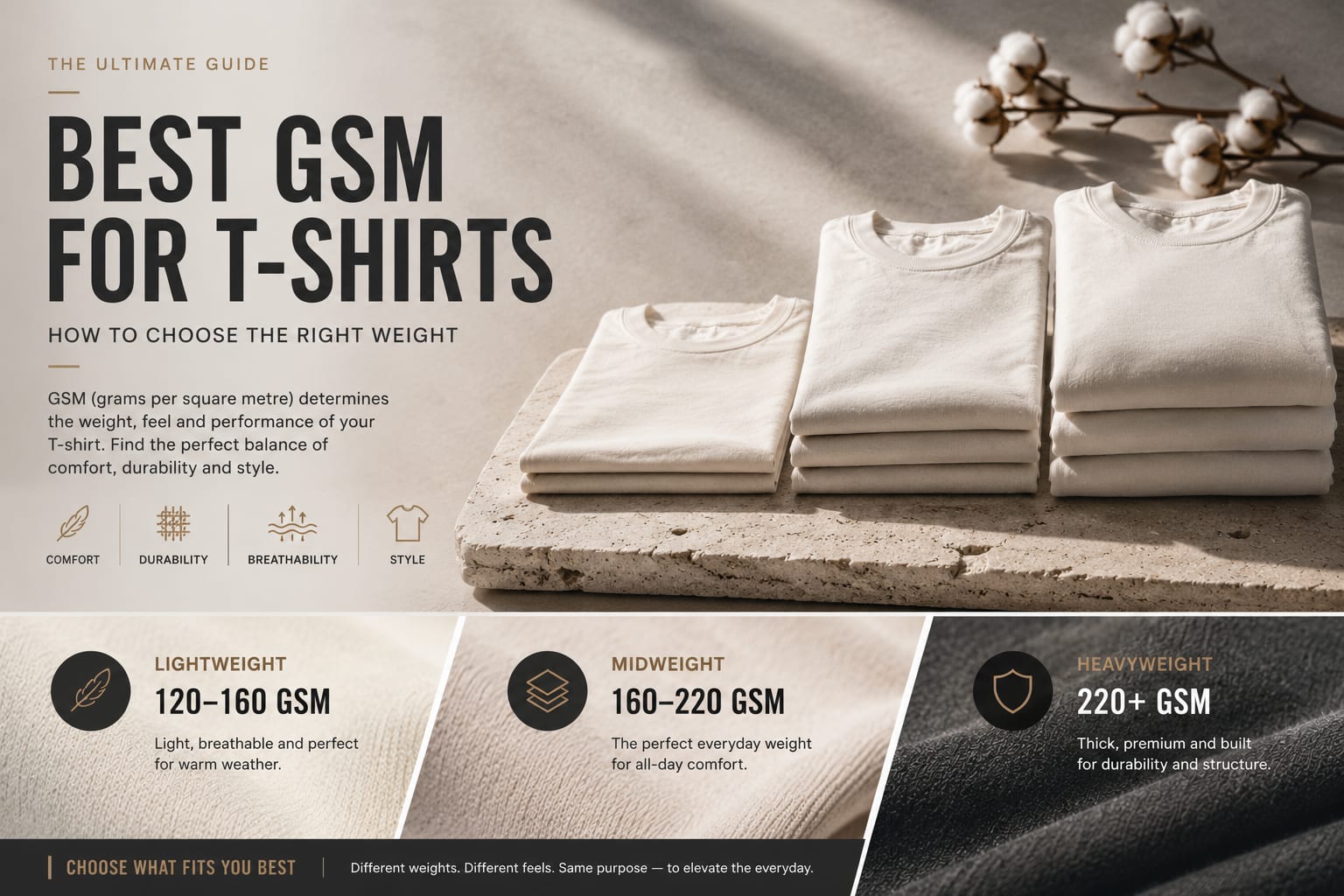
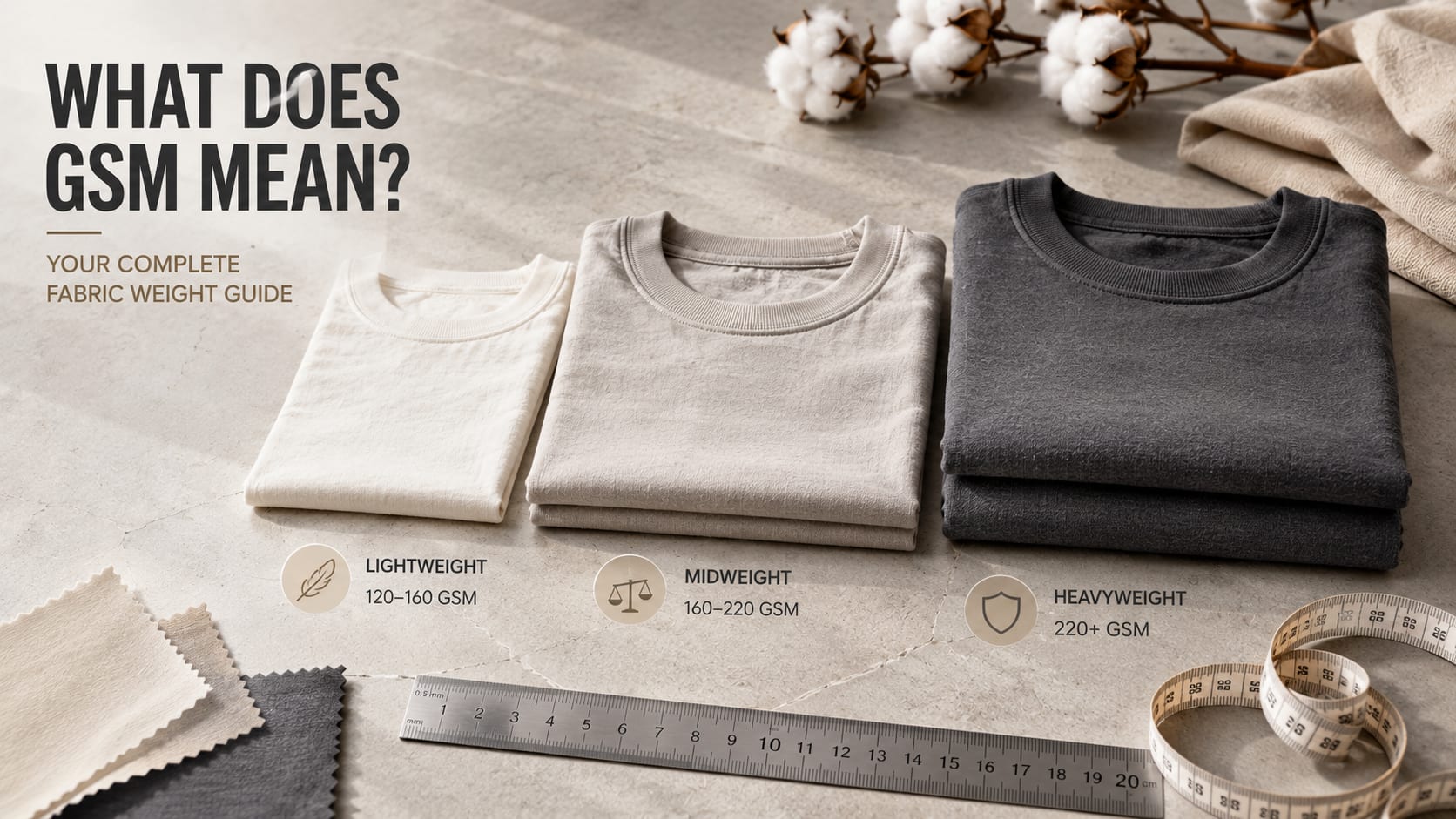
The fabric weight (GSM).
The knit or weave construction.
Stitching quality.
Garment finishing.
A well-made regular cotton garment can still outperform a poorly manufactured ring-spun cotton garment.
Not Every Garment Needs Ring-Spun Cotton
For some applications, such as basic workwear or disposable promotional clothing, the additional softness and refinement of ring-spun cotton may not justify the extra cost.
The best choice depends on the intended use, budget, and desired level of comfort.
Common Uses of Ring-Spun Cotton
Thanks to its soft texture, refined appearance, and durable yarn structure, ring-spun cotton is widely used in clothing where comfort and quality are priorities. While it may not be necessary for every type of garment, it has become a popular choice for premium apparel.
T-Shirts
Ring-spun cotton is perhaps best known for its use in premium T-shirts. The smooth yarn creates a fabric that feels comfortable against the skin while giving the garment a cleaner, more polished appearance.
Many clothing brands choose ring-spun cotton for everyday T-shirts because it combines softness with durability, making it suitable for frequent wear.
Hoodies and Sweatshirts
Many hoodies and sweatshirts use ring-spun cotton, either as 100% cotton or as part of a fabric blend. The smoother yarn contributes to a comfortable feel while maintaining the strength needed for heavier garments.
When paired with heavyweight fabrics, ring-spun cotton helps create garments that feel substantial without sacrificing comfort.
Polo Shirts
Premium polo shirts often benefit from ring-spun cotton because the smoother yarn enhances both comfort and appearance.
Whether knitted as jersey or piqué fabric, ring-spun yarn can produce a cleaner finish that complements smart-casual clothing.
Fashion Basics
Many wardrobe essentials—including long-sleeve shirts, tank tops, joggers, and loungewear—are made with ring-spun cotton to improve comfort during everyday wear.
Its soft feel makes it particularly suitable for garments worn directly against the skin.
Premium Apparel
Many brands position ring-spun cotton as a premium material because it offers a noticeable improvement in softness and overall finish.
While the spinning process alone doesn’t determine garment quality, it’s commonly found in clothing designed to deliver a more refined wearing experience.
Is Ring-Spun Cotton Worth It?
Whether ring-spun cotton is worth choosing depends on what you value most in a garment.
If comfort, softness, and long-term wear are important to you, the answer is often yes. The smoother yarn created through ring spinning produces fabrics that many people find more comfortable and visually appealing than those made with conventional spinning methods.
However, ring-spun cotton shouldn’t be viewed as the only indicator of quality.
A premium garment is the result of several factors working together, including:
The quality of the cotton fibres.
The spinning process.
Fabric weight (GSM).
Fabric construction.
Stitching quality.
Garment finishing.
When these elements are combined effectively, ring-spun cotton can contribute to clothing that not only feels better but also maintains its appearance through repeated wear and washing.
For shoppers looking for premium everyday clothing, ring-spun cotton is often a worthwhile investment.
How to Identify Ring-Spun Cotton Clothing
Because ring-spun cotton is considered a premium feature, many manufacturers mention it in their product descriptions. Still, it’s helpful to know what to look for when comparing garments.
Read the Product Description
The easiest way to identify ring-spun cotton is by checking the product label or online description.
Manufacturers that use ring-spun cotton usually highlight it because it adds value to the garment.
Feel the Fabric
Although touch alone isn’t a guaranteed test, ring-spun cotton often feels smoother and softer than garments made with conventionally spun yarn.
The fabric may also have a cleaner surface with fewer visible loose fibres.
Check the Brand’s Specifications
Some brands provide additional information about their fabrics, including:
Cotton type
Spinning method
Fabric weight (GSM)
Fabric composition
Garment construction
The more transparent a brand is about its materials, the easier it becomes to evaluate the quality of its products.
Frequently Asked Questions
Is ring-spun cotton 100% cotton?
Not always. Ring-spun cotton describes the spinning method, not the fibre composition. A garment can be made from 100% ring-spun cotton or from a blend that includes ring-spun cotton.
Is ring-spun cotton better than regular cotton?
Ring-spun cotton generally offers a softer feel, smoother surface, and stronger yarn than conventionally spun cotton. However, the overall quality of a garment also depends on the fibres used, fabric construction, and manufacturing standards.
Does ring-spun cotton shrink?
Like other cotton fabrics, ring-spun cotton can shrink if exposed to excessive heat during washing or drying. Following the care instructions on the garment label helps minimise shrinkage.
Is ring-spun cotton good for printing?
Yes. Its smoother surface makes it well suited to many garment decoration methods, including screen printing, direct-to-film (DTF) printing, and embroidery. The final result also depends on the printing process and production quality.
Does ring-spun cotton pill?
Ring-spun cotton is generally less prone to pilling than many conventionally spun cotton fabrics because the yarn contains fewer loose fibres. However, pilling can still occur depending on the garment’s quality and how it is used and cared for.
Is ring-spun cotton suitable for everyday wear?
Yes. Its combination of softness, durability, and comfort makes it an excellent choice for everyday clothing such as T-shirts, hoodies, polo shirts, and sweatshirts.
Conclusion
Ring-spun cotton has earned its reputation as a premium fabric not because it comes from a different type of cotton plant, but because of the way the fibres are spun into yarn. The ring-spinning process creates a smoother, stronger, and more refined yarn, resulting in garments that are often softer, more durable, and more comfortable to wear.
However, ring-spun cotton is only one part of the equation. Fibre quality, fabric weight, garment construction, and finishing all play important roles in determining how a piece of clothing performs over time.
If you’re looking for premium everyday apparel, choosing well-made garments crafted from ring-spun cotton can be a worthwhile investment. Understanding what the term means also makes it easier to compare products and recognise the features that contribute to lasting quality.
Continue learning about cotton: