 Greyfits
DTF vs Sublimation Printing Techniques for T-Shirts in 2026
DTF and sublimation printing are two popular methods for custom t-shirt printing. DTF printing offers versatility, affordability, and ease of use, while sublimation printing produces bright, vibrant colors and durable prints. Choose the right method for your needs and preferences. Learn more about DTF and sublimation printing in our latest article. Discover the key differences and advantages of each method and make an informed decision for your t-shirt printing needs.
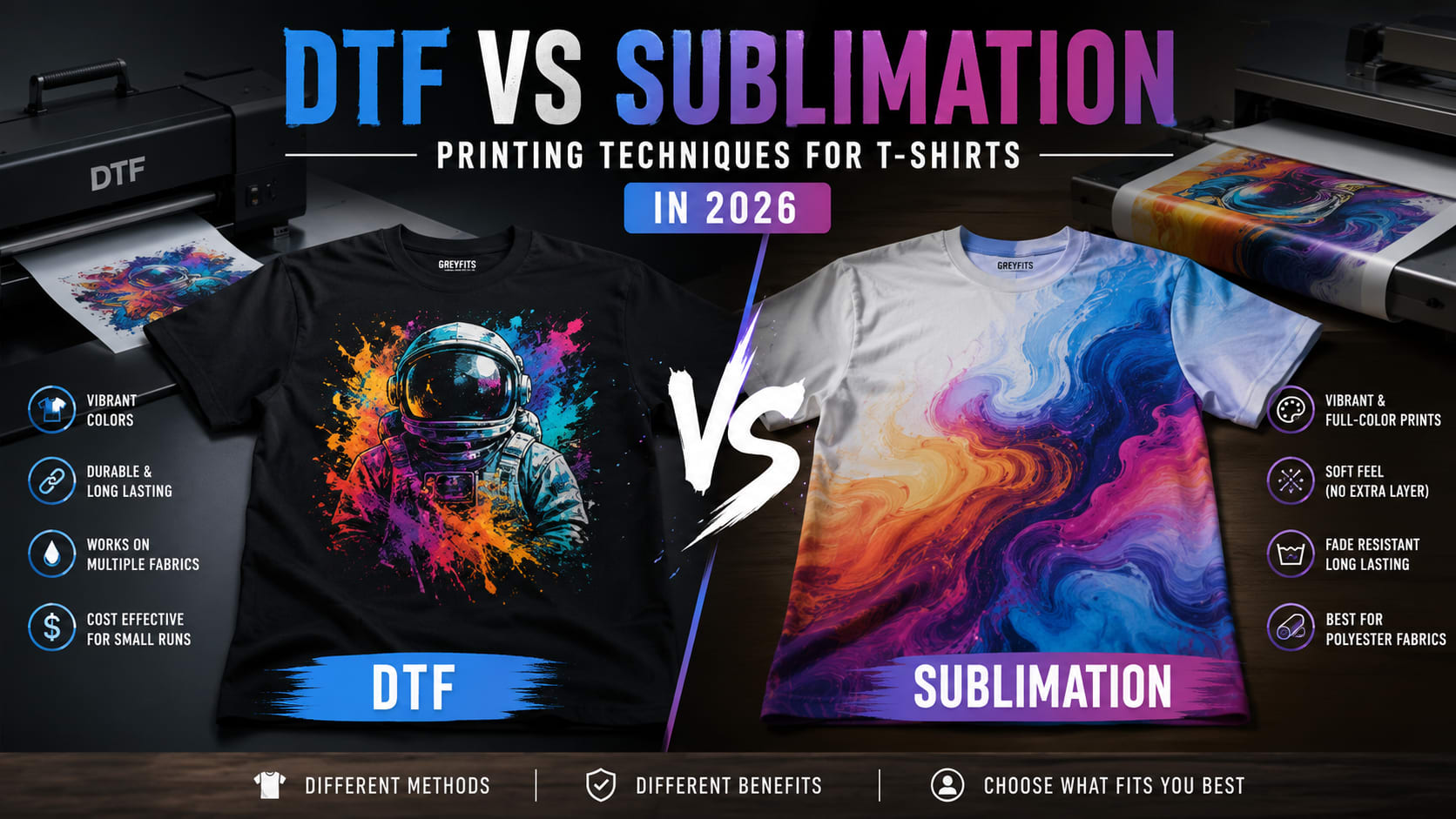
The world of custom t-shirt printing has evolved significantly over the years, with various techniques emerging to cater to different needs and preferences. Two popular printing techniques methods that have gained attention in recent times are Direct-to-Film (DTF) and sublimation printing. In this article, we will delve into the details of DTF printing and sublimation printing, exploring their differences, advantages, and suitability for t-shirt printing in 2026.
Introduction to DTF Printing
DTF printing is a relatively new technique that involves printing designs onto a special film, which is then transferred onto the fabric using heat and pressure. This method has gained popularity due to its ease of use, versatility, and affordability.
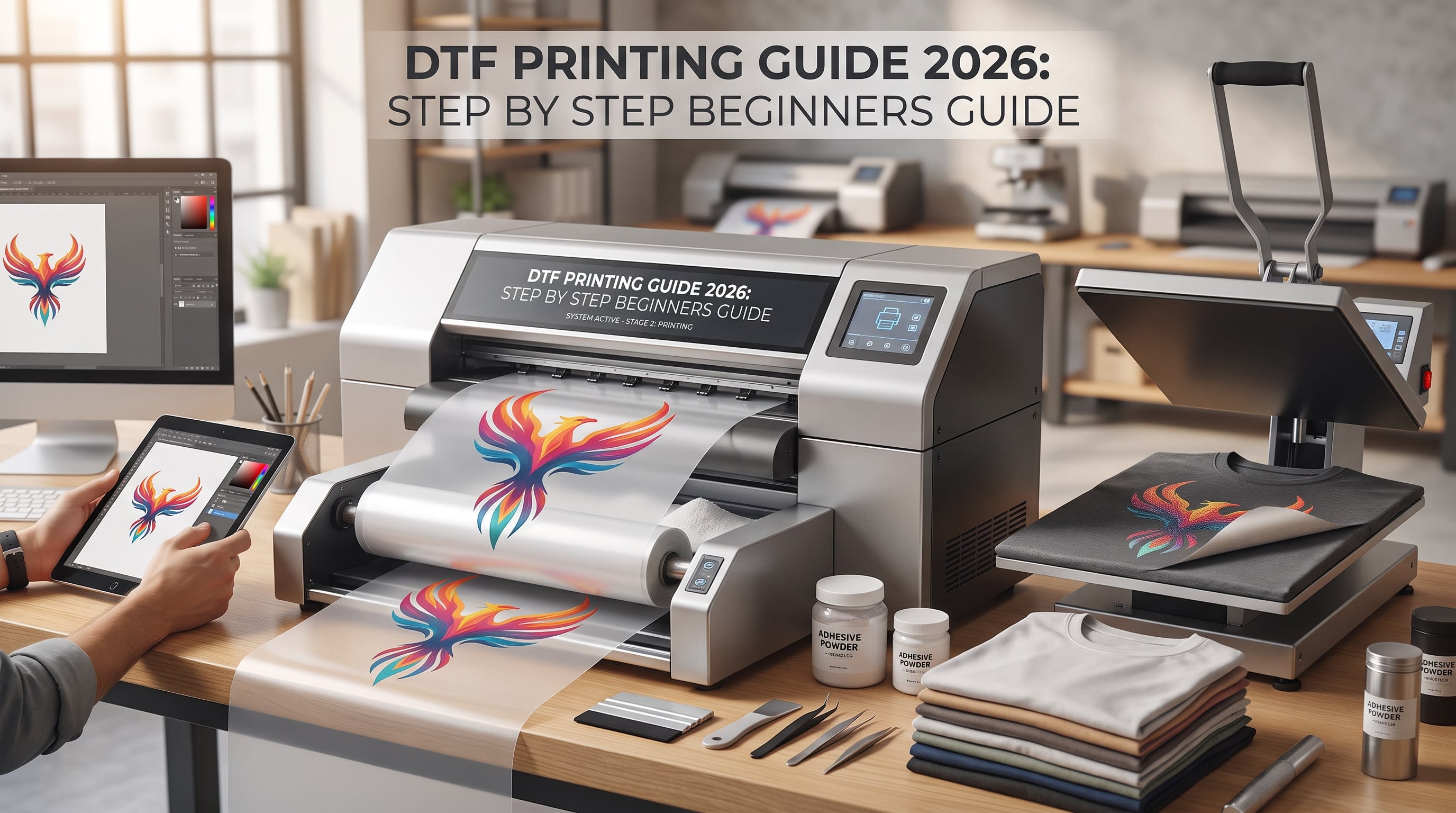
One of the significant advantages of DTF printing is its ability to produce high-quality prints with vibrant colors and intricate details. It is also a great option for printing on a variety of fabrics, including cotton, polyester, and blends. Additionally, DTF printing allows for a wide range of design possibilities, making it an excellent choice for custom t-shirt printing.
Introduction to Sublimation Printing
Sublimation printing, on the other hand, is a technique that involves printing designs onto special sublimation paper using sublimation ink. The printed design is then transferred onto the fabric using heat and pressure, causing the ink to sublimate (change from a solid to a gas) and bond with the fabric.
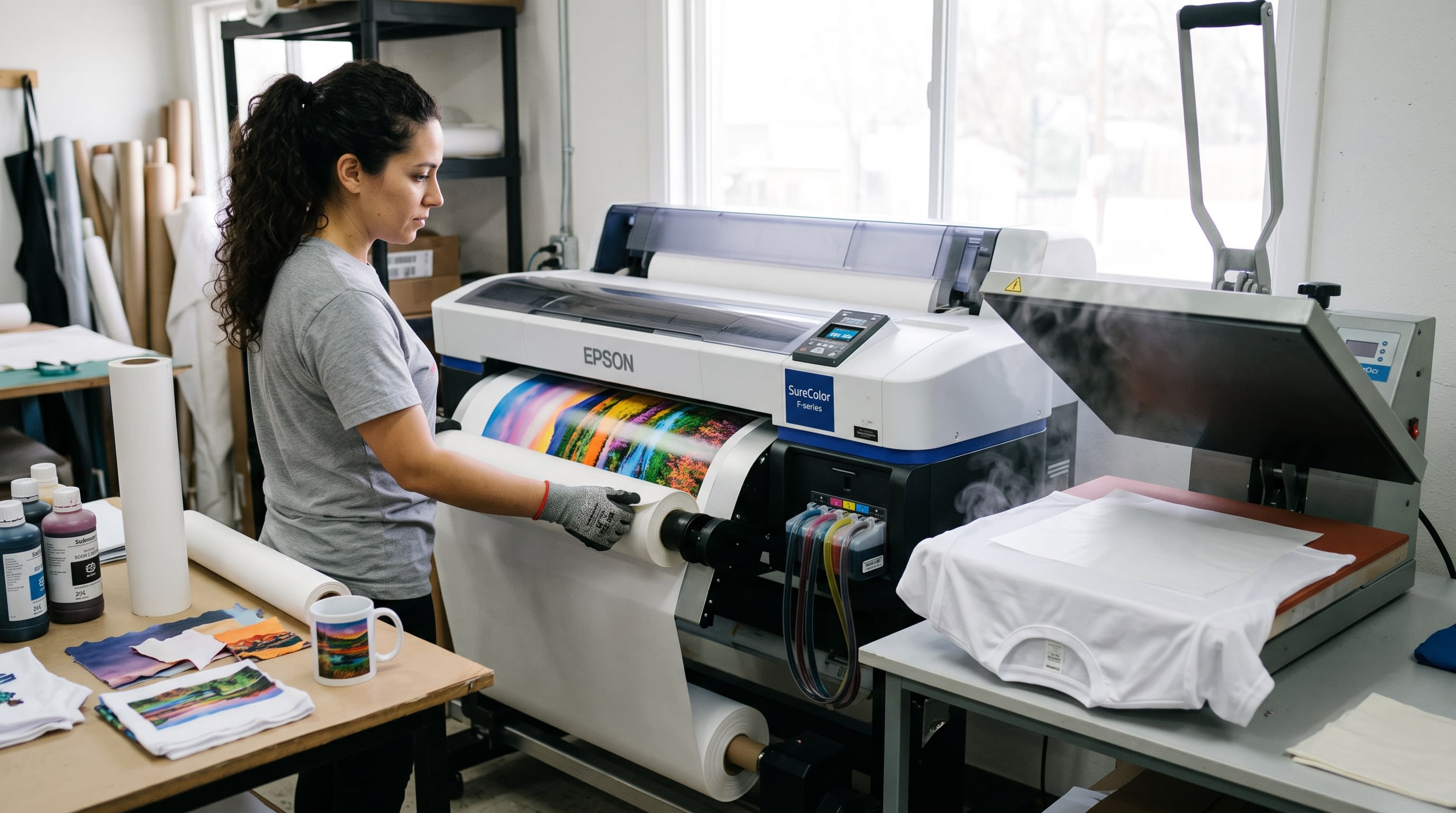
Sublimation printing is known for its bright, vibrant colors and durable prints. It is an excellent option for printing on polyester and polyester-blend fabrics, as the sublimation process allows for a strong bond between the ink and the fabric. However, sublimation printing can be more challenging to work with, requiring specialized equipment and a bit more expertise.
Key Differences Between DTF and Sublimation Printing
When it comes to choosing between DTF and sublimation printing for t-shirts, there are several key differences to consider. Here are some of the main distinctions between the two methods:
Equipment and Supplies: DTF printing requires a heat press, a vinyl cutter, and special DTF film, while sublimation printing requires a sublimation printer, sublimation paper, and a heat press.
Fabric Compatibility: DTF printing can be used on a wide range of fabrics, including cotton, polyester, and blends, while sublimation printing is best suited for polyester and polyester-blend fabrics.
Design Possibilities: Both methods offer a wide range of design possibilities, but DTF printing is more versatile and allows for easier printing of intricate details and vibrant colors.
Cost and Affordability: DTF printing is generally more affordable than sublimation printing, especially for small to medium-sized orders.
For more information on the cost and affordability of custom t-shirt printing, check out our article on custom t-shirt printing costs.
Choosing the Right Method for Your T-Shirt Printing Needs
Ultimately, the choice between DTF and sublimation printing for t-shirts depends on your specific needs and preferences. If you're looking for a versatile, affordable, and easy-to-use method with a wide range of design possibilities, DTF printing may be the better choice. However, if you're looking for a method that produces bright, vibrant colors and durable prints on polyester and polyester-blend fabrics, sublimation printing may be the way to go.
It's also worth considering the following factors when making your decision:
Order Quantity: If you're printing a small to medium-sized order, DTF printing may be more cost-effective. For larger orders, sublimation printing may be more efficient.
Fabric Type: If you're working with polyester or polyester-blend fabrics, sublimation printing may be the better choice. For cotton or cotton-blend fabrics, DTF printing may be more suitable.
Design Complexity: If you have intricate designs with vibrant colors, DTF printing may be the better option. For simpler designs with bold colors, sublimation printing may be sufficient.
For more information on the different types of fabrics and their suitability for custom t-shirt printing, check out our article on fabric selection for t-shirt printing.
Conclusion
In conclusion, both DTF and sublimation printing are excellent methods for custom t-shirt printing, each with their own advantages and disadvantages. By understanding the key differences between these methods and considering your specific needs and preferences, you can make an informed decision and choose the best method for your t-shirt printing needs. Whether you're a seasoned printer or just starting out, it's essential to stay up-to-date with the latest trends and techniques in the world of custom t-shirt printing.