 Greyfits
DTF Printing Guide 2026: Step by Step Beginners Guide
Get started with DTF printing, a revolutionary technology that offers high-quality prints with vibrant colors and intricate details. Learn the basics, benefits, and step-by-step process of DTF printing. Discover how to troubleshoot common issues and produce professional-looking prints. Check out our comprehensive guide to DTF printing, including tips, tricks, and troubleshooting advice.
DTF Printing Guide 2026: Step by Step Beginners Guide
Welcome to the world of DTF printing, where innovative technology meets textile design. As a beginner, navigating the process of creating high-quality prints can seem daunting, but with the right guidance, you'll be producing professional-looking results in no time. In this comprehensive guide, we'll delve into the world of DTF printing, covering the basics, benefits, and step-by-step process to get you started on your printing journey. If you want to learn DTF printing, stick around.
What is DTF Printing?
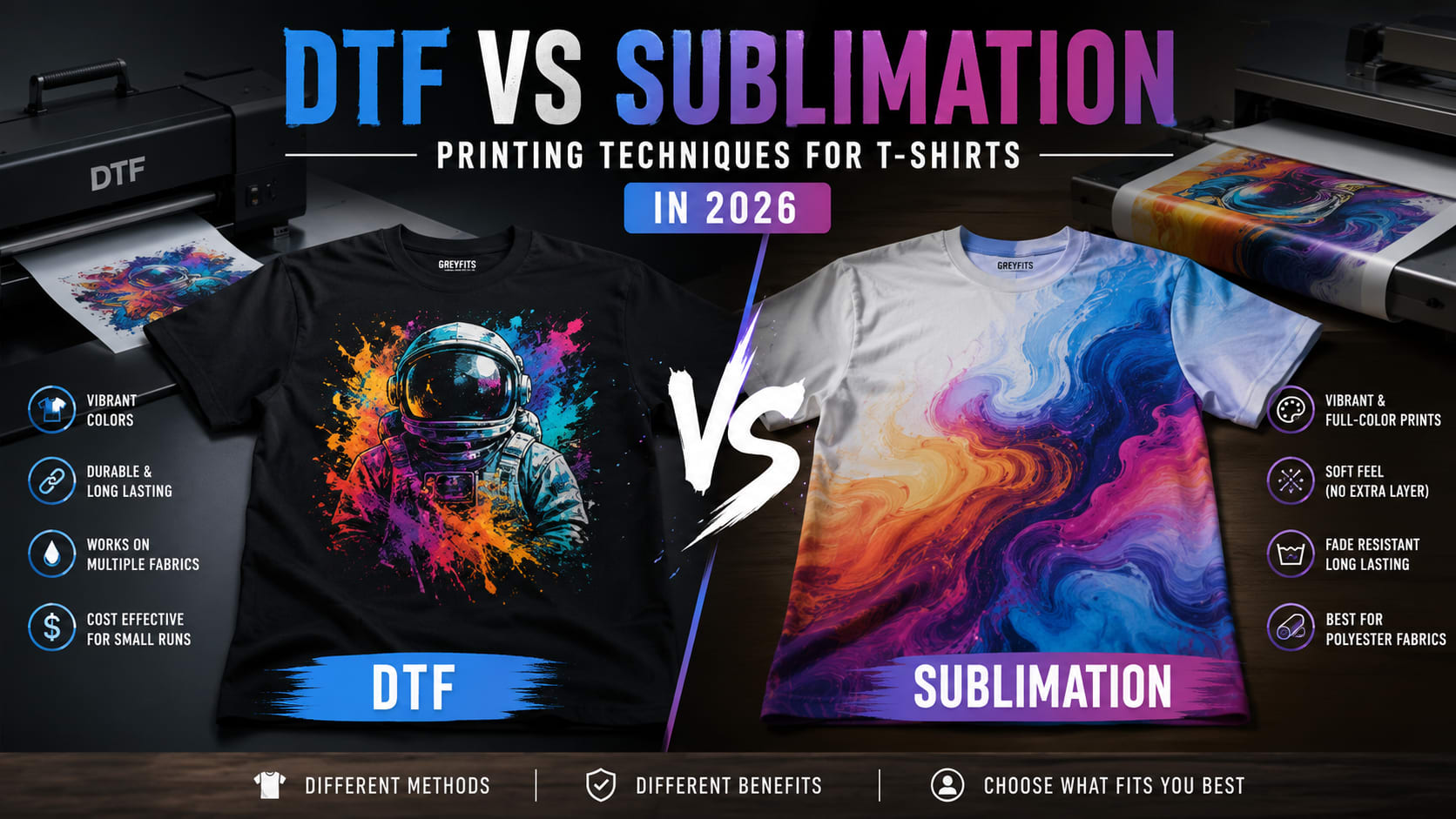
DTF printing, also known as Direct-to-Film printing, is a digital printing technology that allows you to print high-quality images and designs directly onto a special film. This film is then applied to the textile using a heat press, creating a durable and long-lasting finish. DTF printing is ideal for printing on a variety of fabrics, including cotton, polyester, and blends. Checkout the Greyfits Drift: The Outsider, a DTF printed Tshirt
Benefits of DTF Printing
DTF printing offers several benefits over traditional printing methods, including
High-quality prints with vibrant colors and intricate details
Durable and long-lasting finish that can withstand repeated washing and wear
Easy to use and maintain, with minimal setup and training required
Cost-effective, with low ink costs and minimal waste
Pros and Cons of DTF Printing
While DTF printing has many advantages, it also has some disadvantages. Here are some of the main pros and cons to consider:
Pros:
High-quality prints: DTF printing produces high-quality prints with vibrant colors and intricate details.
Durable finish: The finish is durable and long-lasting, making it perfect for clothing and other textiles that will be subject to repeated washing and wear.
Easy to use: DTF printing is relatively easy to use, with minimal setup and training required.
Cost-effective: DTF printing is cost-effective, with low ink costs and minimal waste.
Cons:
Initial investment: The initial investment for a DTF printer and supplies can be high.
Limited flexibility: DTF printing is limited to printing on certain types of fabrics, and may not be suitable for all types of textiles.
Specialized equipment: DTF printing requires specialized equipment, including a heat press and cutting machine.
Getting Started with DTF Printing at Home
To get started with DTF printing at home, you'll need a few basic supplies, including a DTF printer, ink, film, a heat press, and a cutting machine. You can find these supplies at a variety of online retailers, including DTF printing supply stores. The cost of these supplies can vary depending on the brand and quality, but you can expect to spend around $1,000 to $3,000 for a basic setup. Additionally, you'll need a computer with design software, such as Adobe Illustrator or Photoshop, to create your designs.
If you don't have access to all of the necessary equipment, you can also consider taking your prints to a local print shop that offers DTF printing services. This can be a great option if you only need to print a small quantity of items, or if you're not ready to invest in the equipment yourself. Many print shops will also offer design services, so you can work with them to create your designs and get them printed.
Step-by-Step Guide to DTF Printing
Now that we've covered the basics, let's dive into the step-by-step process of DTF printing. Here's a comprehensive guide to get you started:
Prepare your design: Create your design using a software program, such as Adobe Illustrator or Photoshop. Make sure to use the correct color mode and resolution for DTF printing. Remember to mirror your design horizontally before printing, as this will ensure that the image is correctly oriented on the final product.
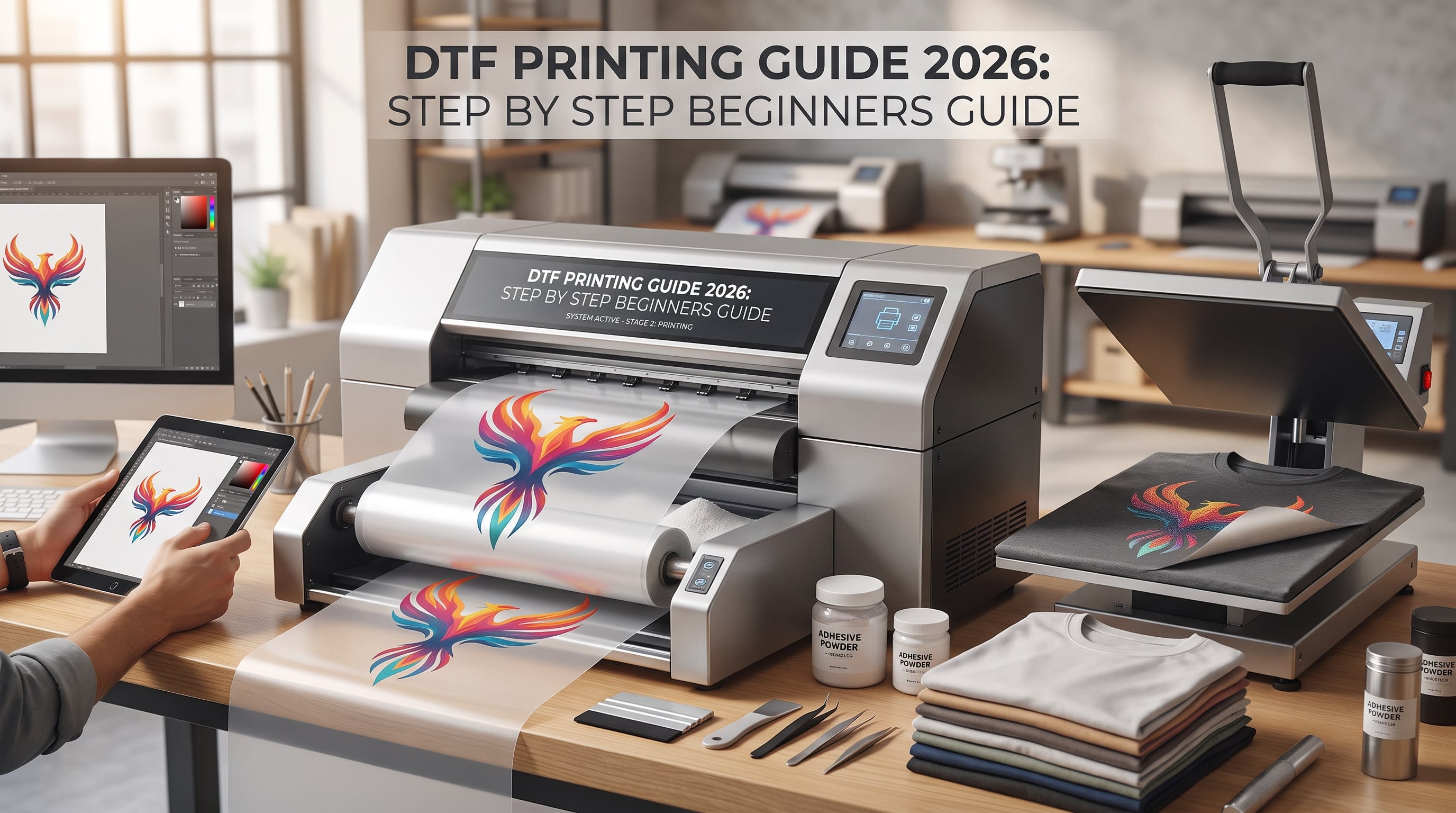
Print your design: Load the film into the printer and print your design. Make sure to use the correct settings and ink levels for optimal results.
Cut the film: Use a cutting machine or scissors to cut the film to the desired size and shape.
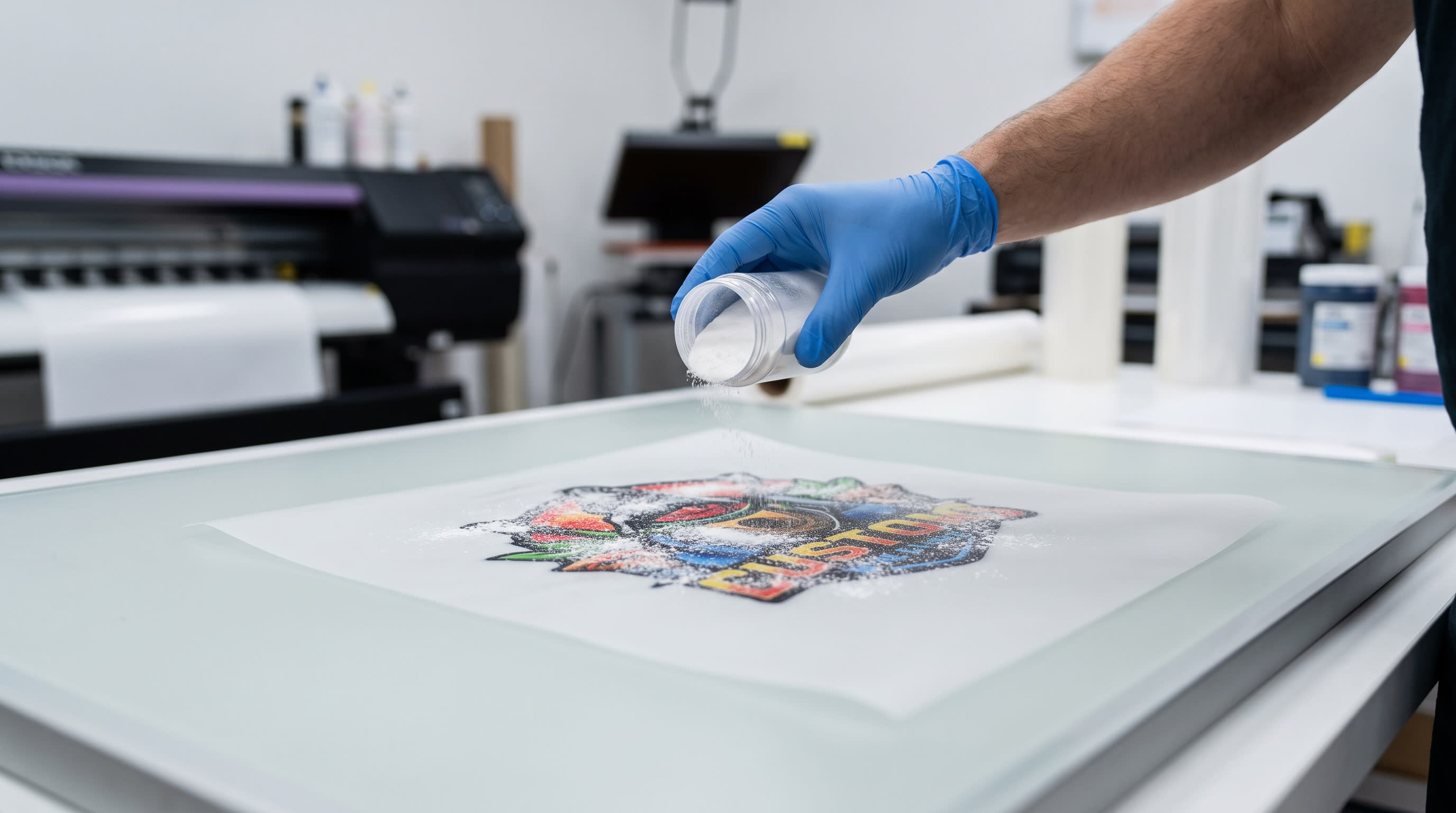
Apply adhesive powder: Apply a thin, even layer of adhesive powder to the printed film. This will help the film adhere to the textile during the heat pressing process.
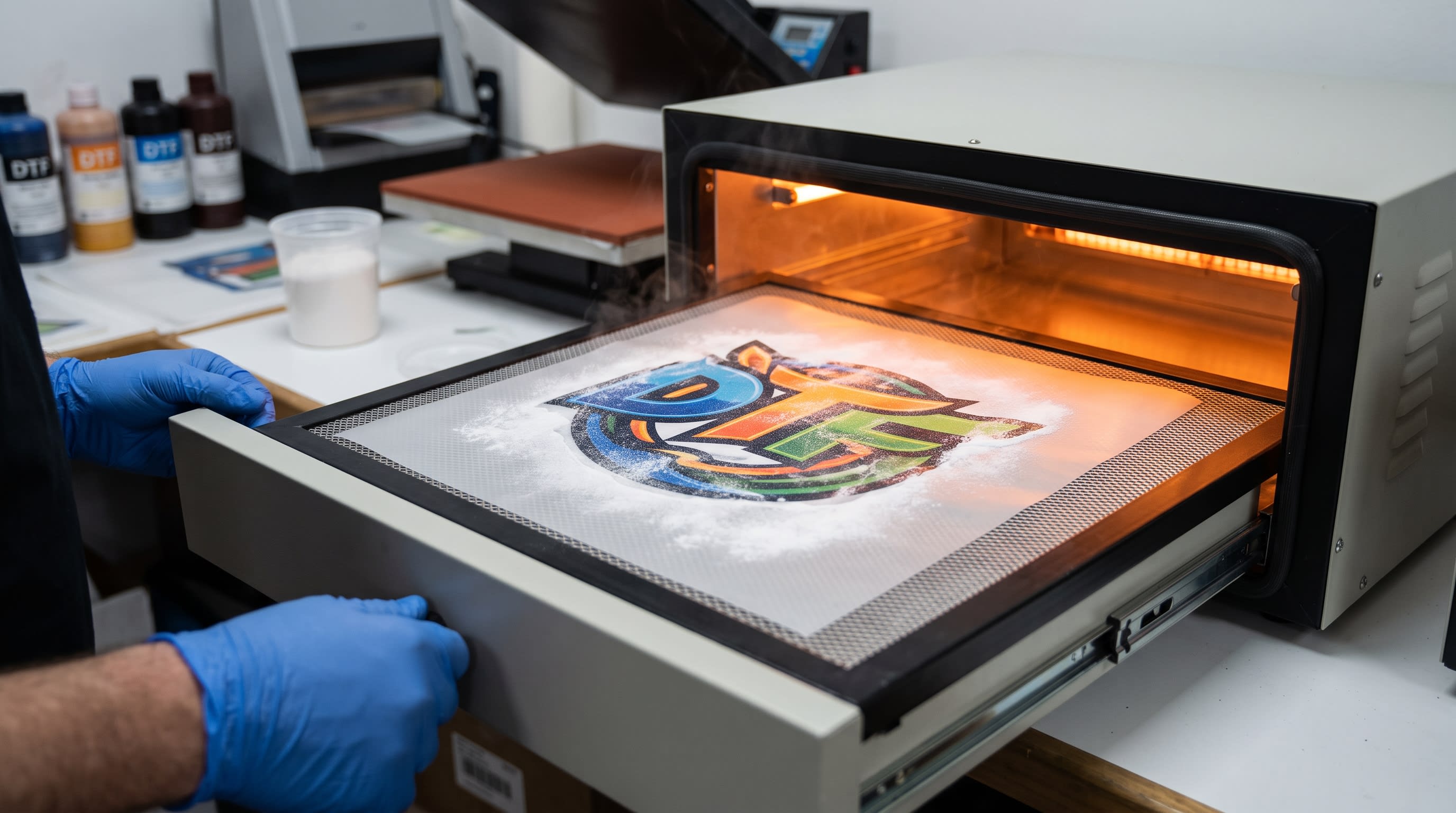
Heat the print: After applying the adhesive powder, the print is heated using a special machine to activate the adhesive and prepare it for application to the textile.
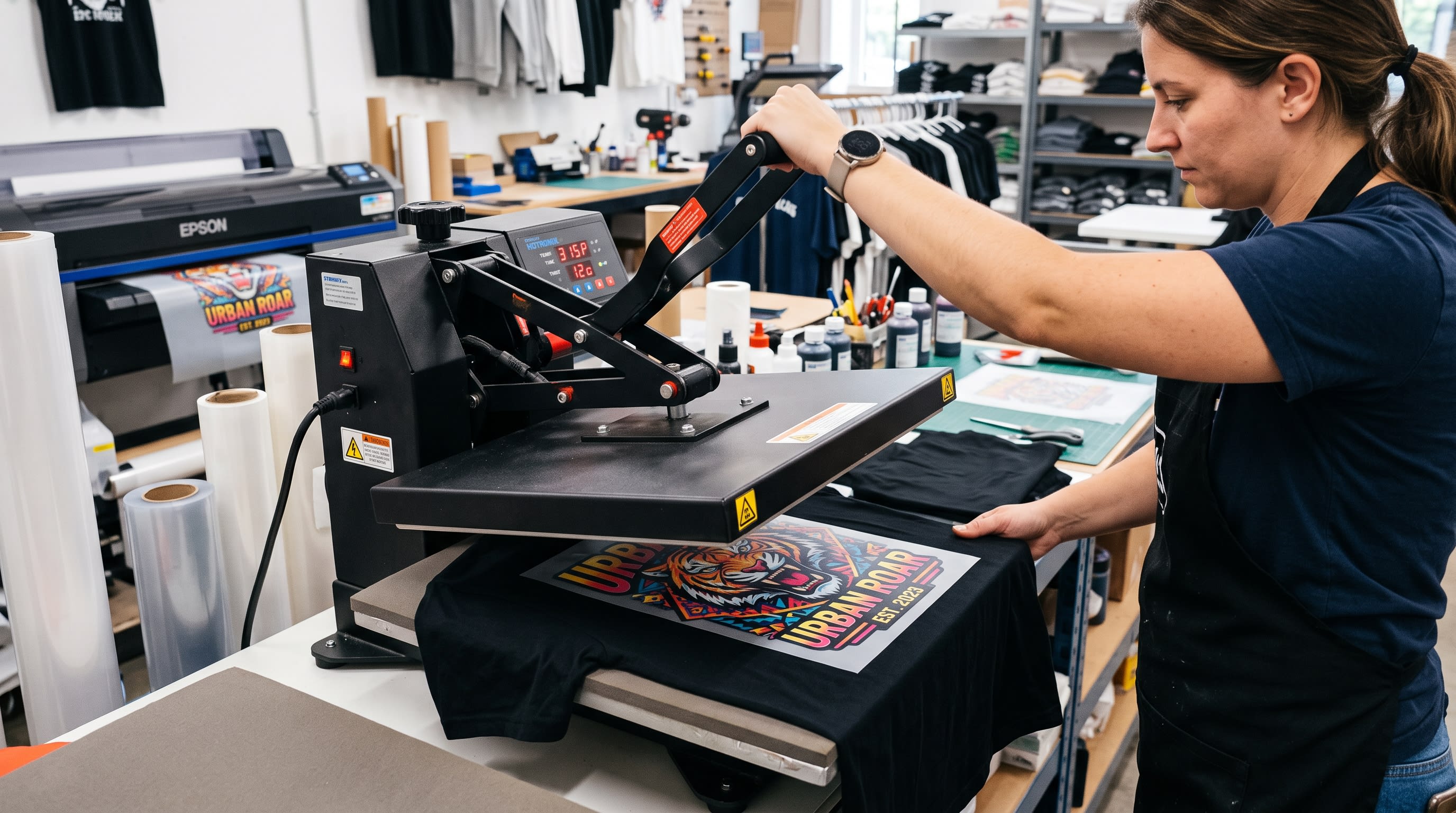
Apply the film: Use a heat press to apply the film to the textile. Make sure to use the correct temperature and pressure settings for optimal results. For example, you can use DTF printing to create custom designs on a Greyfits CS200 t-shirt, which is made from 100% cotton and has a 350g/m² GSM.
DTF printing is a game-changer for the textile industry, offering high-quality prints with vibrant colors and intricate details. With the right supplies and a little practice, you can produce professional-looking prints that will impress even the most discerning customers.
Troubleshooting Common Issues
Like any printing technology, DTF printing can be prone to common issues, such as ink clogging and film misalignment. To troubleshoot these issues, check out our DTF printing troubleshooting guide. With a little patience and practice, you'll be able to identify and fix common issues, ensuring that your prints turn out perfect every time.
In conclusion, DTF printing is a powerful technology that offers a wide range of benefits and opportunities for textile printers. With the right supplies, a little practice, and a good understanding of the printing process, you can produce high-quality prints that will impress even the most discerning customers.